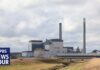

Across the country, giant AI data centers are turning into a new symbol of how both parties’ “elites” are willing to drain local communities’ power, water, and peace of mind to feed the tech boom.
Story Snapshot
- New York has launched the first statewide pause on very large AI data centers, citing threats to power, water, and local quality of life.
- Memphis residents say Elon Musk’s Colossus data center brought jet‑level noise, heavy pollution, and huge water usage into a mostly Black neighborhood.
- Environmental groups warn data centers could use hundreds of billions of gallons of water a year and drive up power bills for regular families.
- Local backlash is now blocking or delaying tens of billions of dollars in projects, uniting conservatives and liberals who feel the system is rigged.
Data centers become the physical face of AI — and public anger
Across red and blue America, ordinary people are turning against large AI data centers because they see them as the concrete face of a system that serves big tech and Wall Street, not their towns. These buildings are often the size of huge warehouses and run night and day, drawing massive amounts of power and water while giving nearby residents little more than noise, traffic, and rising utility bills. Many on the right see another globalist scheme built on tax breaks and strain on the grid, while many on the left see corporate profit driving pollution and inequality, but both sides share a deeper feeling that government leaders are not on their side.
Researchers say that in a few years data centers could use between 10 and 15 percent of all electricity in the United States, a jump from today’s smaller share that worries families already squeezed by high bills. One Harvard expert warned that in many communities, utility upgrades for hyperscale centers have quietly been pushed onto regular customers, sometimes doubling local power costs. That pattern fuels the belief, common to conservatives and liberals alike, that the “deep state” and corporate lobbyists work together to socialize the costs on Main Street while privatizing the profits in Silicon Valley and on Wall Street.
New York’s moratorium: a rare pushback against big tech build‑out
New York Governor Kathy Hochul made national news by ordering a one‑year pause on the biggest new data centers in the state, those needing 50 megawatts or more of power. Her executive order blocks new environmental permits while the state studies how these facilities affect power grids, water supplies, noise, and pollution, making New York the first state to take such a sweeping step. Hochul’s statement was blunt: she said that “progress shouldn’t arrive with a higher utility bill, depleted water supply, or noise pollution,” echoing fears heard from both older conservatives tired of “green” price hikes and older liberals worried about climate and health.
The New York legislature followed with the Responsible Data Center Development Act, which would force data center companies to pay the full cost of grid upgrades and any higher commodity prices tied to their massive electricity use. That approach answers a core complaint from many Americans who feel they always bail out rich industries; for once, the bill aims to stop ratepayers from subsidizing infrastructure for trillion‑dollar tech firms. Still, the moratorium has limits: it exempts facilities tied to manufacturing, medical care, and some research projects, so communities worry that similar heavy users could slip through under different labels.
Memphis and other towns show the human cost on the ground
In South Memphis, residents say the Colossus 1 data center built by Elon Musk’s xAI turned their neighborhood into a test case for what happens when gas‑fired AI infrastructure lands in a working‑class community of color. A lawsuit by local residents and civil rights groups claims that 33 out of 35 methane turbines at the site were run without proper air pollution permits, releasing soot and chemicals next to homes and schools. Neighbors describe noise as loud as jet planes keeping them up at night, a constant roar that has led to stress, lost sleep, and a sense that they have been treated as expendable by both corporate executives and government regulators.
The same facility reportedly draws about 1.28 million gallons of water every day, and a promised wastewater recycling plant has been paused, leaving locals uncertain about when any relief will come. National studies back up the worry: CBS reporting shows data centers could be using at least 469 billion gallons of water a year by 2028, equal to roughly a third of all U.S. shower water in 2023. In rural Georgia, one resident near a Meta data center held up a jar of brown tap water after construction, raising fears of contamination, even though full lab testing has not yet proven a direct link. These stories feed a broader sense that powerful companies can experiment on small towns and minority neighborhoods while hiding behind technical language and legal teams.
A bipartisan revolt that still faces national security and “innovation” pushback
Opposition to AI data centers has exploded in just a few years, turning from scattered fights into a national trend. By mid‑2026, at least 48 projects have been blocked, stalled, or delayed by community campaigns, affecting between $64 billion and $152 billion in planned investment. One analysis found that water was the top rallying issue in more than 40 percent of contested projects, followed by grid strain and noise, and that state regulators took 55 actions in 29 states in just one quarter to rein in large electricity users like data centers. In many places, Republicans attack tax breaks and grid stress while Democrats focus on pollution and climate, but both are responding to a shared wave of public anger.
"US data center protests go national as backlash grows:
July 18 (Reuters) – Opponents of the rapid buildout of data centers plan to hold protests on Saturday in at least 125 locations across the United States, the first coordinated national effort to channel anger at the AI…
— Jeffrey Liss (@JeffreyLiss) July 18, 2026
Despite that backlash, industry allies and some politicians frame rapid data center growth as a national security need in the race with China, and as “self‑sabotage” to stop it. Pennsylvania Senator John Fetterman argued that New York’s moratorium helps China by slowing American AI expansion, echoing talking points from Silicon Valley that treat local worries as unpatriotic or anti‑innovation. Yet independent research shows that many climate‑friendly claims from major AI companies are shaky; one report found that about 74 percent of tech industry statements about AI’s climate benefits are unproven, and real emissions may be up to four times higher than advertised. That gap between glossy promises and lived reality is exactly what fuels today’s rare alliance between frustrated conservatives and liberals who see data centers not as progress, but as another sign the system is rigged against ordinary Americans.
Sources:
feedpress.me, governor.ny.gov, abcnews.com, sfgate.com, premiumnewsusa.com, citizen.org, bisnow.com, allianceforagreeneconomy.org, debatearguments.substack.com, lincolninst.edu, ifo.de, arxiv.org, latitudemedia.com, insideclimatenews.org, trellis.net, cleanenergyforum.yale.edu
© dailychive.com 2026. All rights reserved.