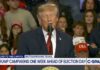

President Trump publicly charged that Fox News is giving Democrats more airtime than Republicans, sharpening a fight over who gets the microphone on the nation’s most-watched cable news channel.
Story Highlights
- Trump said Fox News gives Democrats more airtime than Republicans and said he is “not happy.”
- Trump named Democrats he says Fox features often, including Chuck Schumer and Hakeem Jeffries.
- Reports show several Democratic candidates have appeared on Fox during the campaign season.
- The claim of “more airtime” lacks a full, verified tally across shows and dates.
Trump’s Charge About Fox News Airtime
President Trump asserted on October 31, 2026, that Fox News is “giving Democrats more time” than Republicans and said he is “not happy” after seeing Democratic Representative Ro Khanna on Fox & Friends. He repeated the theme across September and October, saying Fox was “promoting the Democrats, not the Republicans and MAGA.” These remarks came in posts and rally comments that drew wide attention and headlines about Trump’s clash with the network.
Trump also listed Democratic leaders and commentators he says Fox features often. He cited Senate Majority Leader Chuck Schumer, House Democratic Leader Hakeem Jeffries, and on-air Democratic analyst Jessica Tarlov, arguing they appear to attack Republicans and him. He added that Republicans get only a “quick retort.” His criticism focused on both time and tone, arguing the segments push a negative story about his party and agenda.
Documented Democratic Appearances on Fox
News reports confirm that Democratic candidates and figures have appeared on Fox during the campaign period. Outlets noted interviews or segments with Michigan Senate candidate Abdul El-Sayed, Kentucky Senate candidate Charles Booker, and Democratic gubernatorial nominee Rob Sand. Coverage also highlighted Florida Democrat David Jolly appearing on the network. These bookings show Democrats are using Fox to reach its large audience during a key stretch before the vote.
CNN’s media report described why Democrats view Fox as useful. The channel’s reach includes many independents and even some liberals, drawing campaigns that want to speak beyond their base. The same report framed these bookings as part of Fox’s approach to election coverage this cycle. That context helps explain why Democratic candidates would accept the invites and why their spots stand out to viewers and rivals.
What the Record Shows—and Does Not
The central claim that Democrats received more total airtime remains untested by a complete count. The available reporting lists examples of Democratic guests and repeats Trump’s charge. It does not provide a minute-by-minute tally, a show-by-show breakdown, or a side-by-side match against Republican candidate exposure. Without those counts, the comparative “more airtime” claim is not established, even as Democratic guest spots are clearly documented.
Communication research shows why impressions can outpace data. A study of cable news found bias moves over time and is often driven by prime-time shows. A few high-profile segments can shape how viewers feel about a channel’s tilt, even if the full day’s programming tells a more mixed story. That lesson fits here. Viewers remember striking clips and guests, which can make one side feel louder than the other.
Why the Fight Matters to Both Sides
Republicans see Fox as a crucial path to voters, especially older viewers who watch live cable news. When Trump says Fox is boosting Democrats, his base hears that a trusted platform may be slipping. That fuels long-running anger about media power and fairness. Democrats, meanwhile, want any chance to reach conservative-leaning audiences, press their case on the economy, immigration, and rights, and show they can hold their own in tough interviews.
The broader frustration cuts across party lines. Many Americans think the media and political class serve themselves first. They see a system that prizes ratings and spin over straight answers. This dispute taps that mood. Who gets airtime feels like who gets a fair shot. It also revives old questions about whether news shows are reporting facts, hosting debates, or acting as gatekeepers for the powerful.
What Would Resolve the Dispute
A network-wide audit would settle the narrow question. A public count of segments, speaking minutes, show prominence, and live versus taped status for both parties would clarify exposure. It could separate daytime news from prime-time opinion and tally candidates apart from party leaders or commentators. Until such a count exists, the record supports two clean points: Democrats did get notable Fox bookings, and Trump has pressed the “more airtime” charge many times.
Sources:
mediaite.com, washingtonexaminer.com, tvinsider.com, thehill.com, ndtvprofit.com
© dailychive.com 2026. All rights reserved.