
Gulf leaders rushed to mediate in Tehran while Iran warned of strikes “without geographic limits,” exposing how close the region sits to a wider U.S.-Iran war.
Story Snapshot
- Qatar led marathon talks with Iran to restart U.S.-Iran negotiations, but no deal emerged.
- Reuters reported both sides remain far apart as proposals are still under review.
- Gulf Cooperation Council leaders urged a rules-based security plan to protect energy routes.
- Iran’s military vowed immediate, borderless retaliation if attacked, raising escalation risks.
Active Mediation Meets a Hard Impasse
Qatar sent mediators to Tehran and held more than twelve hours of talks aimed at restarting direct U.S.-Iran negotiations and stopping renewed fighting. Reports described a draft proposal and tough demands on nuclear constraints, sanctions, frozen funds, oil sales, and a naval blockade. The effort showed real engagement, not talk for show. Yet negotiators left without a breakthrough, and both capitals kept reviewing ideas without a clear path to yes.
Reuters reported that Washington and Tehran stayed far apart even after shuttle rounds. One U.S. demand sought nuclear concessions before talks, while Iran pressed for steps on sanctions, shipping limits, and frozen assets first. That sequencing fight has stalled progress before, and it did again. The Qatari foreign ministry still described “intensive joint regional efforts” to avoid escalation, but those efforts have not produced a ceasefire or a signed agreement yet.
Gulf States Push a Security Framework
Gulf Cooperation Council leaders laid out principles for a regional security architecture. Their plan called for respect for sovereignty, collective defense, diplomacy, and protection of waterways and energy supplies. They framed diplomacy as a “strategic asset” and warned that recent shocks have put civilian sites and vital infrastructure at risk. The statement stressed that Gulf states did not start the war but must live with its fallout unless rules and restraint return.
The proposal was broad and forward-looking, but it was not a finished system. It did not map out enforcement, costs, command structures, or a dispute body. That gap matters because oil flows, shipping insurance, and worker safety all depend on clear rules and steady protection. For families across the region and for drivers and small businesses worldwide, any strike on tankers or ports hits prices fast and hard. The council tried to get ahead of that.
Iran’s Vows Raise the Stakes for Everyone
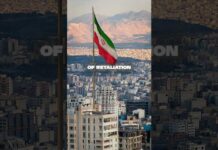
Iran’s Islamic Revolutionary Guard Corps said any new attack would meet an immediate and effective response without geographic limits. State media also reported that Iran updated its target bank to include enemy assets in range. The signal was simple: if hit, Iran would strike back in ways that may not stop at one border or one battlefield. That message, on top of stalled talks, raises the risk of miscalculation that could spill across the Gulf.
Associated Press reporting cited Iran’s supreme leader backing an immediate response without geographic limits if the United States or Israel threatened Iran. Iran’s foreign ministry has framed its past strikes as self-defense and called U.S. actions violations of sovereignty. These claims do not settle facts on the ground, but they do shape what Tehran says it must do next if fighting resumes. When capitals set red lines this stark, small incidents can grow fast.
Why This Matters Beyond the Diplomatic Bubble
Energy prices, shipping safety, and jobs ride on what happens next. Tanker lanes in the Strait of Hormuz move a large share of the world’s oil and fuel. A wider war could push prices up, choke supply chains, and strain already thin family budgets. People on the right see waste and weakness when talks spin without results. People on the left see elites playing power games while workers pay the bill. Both groups can agree: drift invites danger the public ends up funding.
Leaders often promise strength while meetings grind on in private. That cycle burns trust. It also rewards the loudest threats over patient problem-solving. The Gulf states’ call for rules and open sea lanes reflects a basic truth: if the region’s energy and ports stay safe, families everywhere get some breathing room. To get there, any plan will need clear steps both sides can verify, not just statements and leaks from anonymous officials.
What to Watch in the Coming Days
Watch for signs that sequencing demands start to bend. A narrow swap could start momentum: limited nuclear steps for targeted sanctions relief, or shipping and inspection access for de-escalation on strikes. Look for written readouts from Doha, Tehran, and Washington, not just background quotes. Also watch Gulf ports and insurers; sudden premium jumps or rerouted tankers can reveal fear before diplomats admit it. Progress will be real only when verifiable actions appear.
If talks fail, the risk is not just distant headlines. It is higher pump prices, pricier groceries, and more federal spending on another crisis. That cycle feeds the belief that the system favors insiders while regular people carry the cost. A sober, enforceable deal that protects energy routes and sets checks on strikes would serve the public far better than another round of brinkmanship that elites can weather but households cannot.
Sources:
reuters.com, english.aaj.tv, gcc-sg.org, globalsecurity.org, bbc.co.uk
© dailychive.com 2026. All rights reserved.