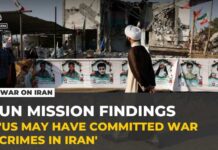

As the Iran war enters Day 142, the Pentagon now confirms 17 American service members dead, while questions grow about what the public is still not being told.
Story Snapshot
- The Pentagon says **17 U.S. service members** have died in the Iran war so far.
- Recent deaths in **Jordan and northern Iraq** pushed the toll from 14 to 17 after weeks of silence.
- Officials admit **dozens of injuries were withheld** from public reports, fueling distrust over casualty data.
- Most Americans across party lines now **oppose the war**, adding pressure on leaders to come clean about the human cost.
How the death toll reached 17 American service members
The Pentagon’s latest update confirms that 17 U.S. service members have died since the Iran war began on February 28, a figure now echoed by major outlets and independent trackers. Early in July, the official tally stood at 14, with most of those deaths clustered in March during the war’s first phase. The number rose over the weekend after two soldiers were killed by Iranian missiles and drones at a base in Jordan and another service member died in northern Iraq while handling a downed Iranian attack drone.
United States Central Command, which oversees operations in the Middle East, said the Iraq death occurred during a controlled detonation of unexploded ordnance from the drone. That incident followed the Jordan attack, where two service members were confirmed dead and a third went missing, making them the first U.S. combat deaths since March. Together, these three new fatalities pushed the Pentagon’s Operation Epic Fury “killed in action” total from 14 to 17, even as some data sites and media trackers still show the older figure because they have not yet fully updated their lists.
The faces behind the numbers and earlier March casualties
The latest named casualties in Jordan are First Lieutenant Tyler James Feehan, age 25, from Hawaii, and Private Isabella Gonzales, age 19, from Texas, both killed in the missile and drone strike on Muwaffaq Salti Air Base. Their deaths, widely reported and confirmed by the Defense Department, highlight how young many of the fallen are. Earlier in the war, four Army Reserve soldiers were killed in Kuwait on March 1 by an Iranian drone strike, and their identities were released days later, forming the first wave of confirmed dead in Operation Epic Fury.
Additional March losses included Sergeant Benjamin N. Pennington, who died of injuries on March 8, and six service members killed when a KC-135 refueling aircraft crashed over Iraq on March 12. These incidents, along with several non-combat deaths, built the initial count of 13 killed that stayed unchanged for months. Only after a Navy pilot died in a helicopter crash over the Arabian Sea in early July did the official tally move to 14, showing how deaths from both hostile fire and accidents are being folded into a single wartime number.
Gaps, withheld injuries, and rising public distrust
While the Pentagon’s 17-death figure is not contested by major newsrooms, there are clear gaps in what the public knows. United States Central Command has admitted that casualties from the Jordan attack “may be higher than publicly disclosed” and that unidentified remains were found at the site, with forensic work still under way. One service member from that attack remains missing, and their identity has not been released, leaving families and citizens with incomplete information about who is still unaccounted for.
Beyond deaths, reporting shows a larger pattern of withheld injuries that alarms many Americans. The New York Times found that the Pentagon kept dozens of war injuries off public rolls for months, and only later updated online casualty systems after media questioning. At one point, officials were speaking of roughly 140 wounded U.S. troops while details about where and how they were hurt stayed opaque. This fits a broader history where casualty numbers in Iraq and Afghanistan were released slowly, sometimes years after the fact, making today’s skepticism understandable for both conservative and liberal critics.
War opposition grows as leaders seek more money
As the human cost mounts, public support for the Iran war has eroded across the political spectrum. Recent polling shows that a large majority of Democrats, most independents, and even many non–Trump Republicans now believe the war was a mistake, with overall opposition above fifty percent in each of those groups. These numbers matter because they shape how people read each new casualty update: many no longer trust that the government is being fully open about the risks and losses.
At the same time, Republican leaders in Congress are pushing an $80 billion war spending package without Democratic backing, even as casualty data remains under dispute. Pentagon officials insist the United States is not sliding into another endless conflict, yet they have acknowledged withholding injuries and adjusting counted deaths only after outside pressure. For Americans who already feel that “elites” and the permanent government are out of touch, the slow, fragmented release of casualty numbers looks less like simple bureaucracy and more like a system that shields itself first and serves the public second.
Sources:
feedpress.me, nytimes.com, reuters.com, npr.org, apnews.com, youtube.com, cbsnews.com, en.wikipedia.org, war.gov
© dailychive.com 2026. All rights reserved.