A secret Pentagon warning that treats Israel as a “critical” spy threat against Trump officials is colliding head‑on with a new defense bill that would bind the two militaries even closer together.
Story Snapshot
- The Pentagon’s Defense Intelligence Agency reportedly raised Israel’s counterintelligence threat level to the highest “critical” tier over suspected spying on senior Trump officials.[1][2]
- Anonymous officials say Israel is seeking inside information on Trump administration deliberations about the war with Iran and conflicts in Lebanon.[1][2]
- Israel and the White House both publicly denounce the report as “completely false” and possibly politically motivated, leaving citizens caught in a fog of denials and leaks.[1][2][3]
- At the same time, Congress is pushing National Defense Authorization Act provisions to deepen defense industrial integration with Israel, even as U.S. officials quietly tighten security.[2][4]
Pentagon Labels Israeli Spy Threat ‘Critical’ While Allies Trade Denials
Reports from multiple outlets say the Pentagon’s Defense Intelligence Agency has quietly raised Israel’s counterintelligence threat level to “critical,” its highest internal designation, flagging unusually aggressive attempts to monitor senior American officials.[1][2][3] According to officials cited in these accounts, the assessment warns that Israeli human and technical collection efforts against U.S. decision‑makers have gone beyond what is considered normal among allies.[1][2][3] This “critical” label is the same category used for some adversarial states, not friendly partners, which understandably alarms many conservatives.
According to the reporting, the Defense Intelligence Agency’s internal notice focuses on efforts to obtain insight into internal Trump administration deliberations about strategy in the war with Iran and the related fighting in Lebanon.[1][2][3] One official described a seven‑page document with charts and “specific incidents” that raised concern, suggesting this is more than a casual rumor.[1][2][3] Several stories say the warning led to stricter travel and communication precautions for U.S. personnel dealing with Israel, including more cautious behavior on trips and in meetings.[1][2][4]
Ally, Friend, or Eavesdropper? What the Reports Actually Say
Coverage from outlets such as Times of Israel, Ynet, and others, all tracing back to the same NBC‑based account, describes a Pentagon view that Israeli espionage has become “unhinged” in its intensity toward Trump officials.[2][3] Specific names reportedly drawing extra interest include special envoy Steve Witkoff, Undersecretary of Defense for Policy Elbridge Colby, and his deputy Michael P. DiMino IV, all of whom sit close to the core of Iran and Middle East war planning.[2][3] Analysts note that Israel’s intelligence services have long been among the most aggressive in the world, even toward friends.[3]
Media summaries repeatedly stress that the officials did not point to a single “smoking gun” incident, but to a pattern of events that collectively pushed Israel into the top‑risk tier.[1][2][3] Some secondary accounts reference earlier concerns over suspected eavesdropping devices near the White House and surveillance software targeting American phones in Israel, though these details are not clearly tied to the new Defense Intelligence Agency memo.[4] Historically, the Jonathan Pollard case and other episodes of Israeli spying in the United States form a backdrop that makes current suspicions more believable to many national security professionals.[2][3]
Israel, White House Push Back as Congress Moves to Tighten Defense Ties
The Israeli Embassy in Washington has issued a flat denial, calling it “completely false” that Israel spies on the United States or targets American government officials.[1][2][3] The embassy insists that Israeli intelligence focuses on enemies, not allies, and says any claim to the contrary is misinformed or politically motivated.[1][2] A White House official likewise dismissed the story as false and said the sources behind it “don’t have any knowledge of what’s going on,” framing the leak as unreliable.[1][2][3] These categorical denials directly contradict the anonymous Defense Intelligence Agency‑based account and leave the public with a classic “he‑said‑she‑said” over classified facts.
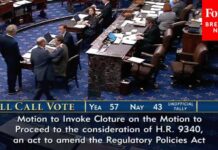
At the very same time, press discussion of the National Defense Authorization Act highlights language designed to deepen U.S.‑Israel defense industrial integration, including joint research, testing, manufacturing, and technology sharing.[4] That means Congress is moving to weld the two defense sectors together more tightly just as Pentagon counterintelligence officers are reportedly warning of a “critical” espionage risk from the same ally.[1][2][4] For conservatives who favor strong alliances but insist on America‑first sovereignty, this tension raises serious questions about vetting, security safeguards, and whether lawmakers are reading the classified warnings before voting.[4]
What This Means for Conservatives Worried About Sovereignty and Oversight
For Trump‑supporting conservatives, the heart of the story is not anti‑Israel sentiment but basic constitutional responsibility: no foreign government, friend or foe, should be able to penetrate internal U.S. deliberations about war and peace.[1][2] If the Defense Intelligence Agency’s “critical” label is accurate, then senior officials close to the Commander in Chief have been treated as high‑value targets by a partner nation even as taxpayers fund expanded joint projects.[1][2][3] That scenario demands real oversight, not blind trust, regardless of which ally is involved.
Pentagon Sees Growing Espionage Threat From Israel
The Defense Department has increased the counterintelligence threat assessment to its highest level, and Israel is believed to have eavesdropped on American negotiations with Iran.https://t.co/mTqVjgk0m9
— Constitution Sue (@constitutionsue) June 7, 2026
At the same time, the unresolved clash between anonymous leaks and on‑the‑record denials shows why many on the right distrust both legacy media and the permanent security bureaucracy.[1][2][3] Without declassified documents, named witnesses, or clear case files, citizens cannot easily tell whether this is a sober warning from professionals, a politically timed leak, or some combination of both.[1][2][3] That is why calls are growing for the seven‑page Defense Intelligence Agency assessment and related annexes to be released, at least in redacted form, so Congress and the public can judge the facts for themselves.[1][2][3]
Sources:
[1] Web – Pentagon Raises Israeli Spy Threat as NDAA Seeks Deeper Defense Ties
[2] Web – Pentagon raises Israel’s espionage threat level to ‘critical’ amid …
[3] Web – US raises Israeli espionage threat level, citing concerns over …
[4] Web – Pentagon raises threat assessment of Israeli spying on US to …
© dailychive.com 2026. All rights reserved.