
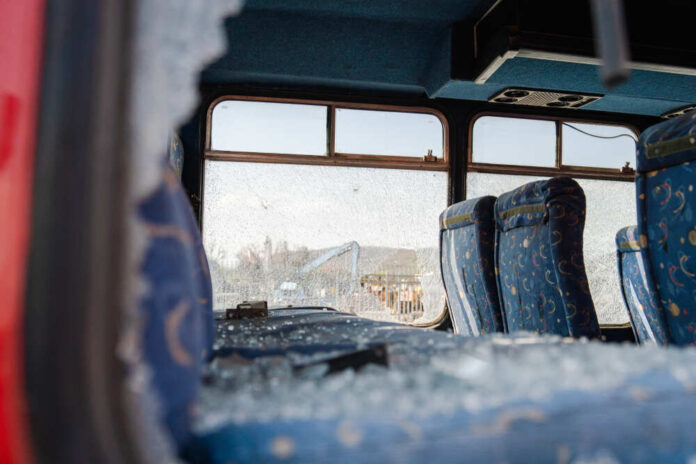
(DailyChive.com) – One moment of chaos on a busy bridge in Algiers exposed the fault lines of a nation’s crumbling public transport system, leaving families grieving, leaders scrambling, and an entire city demanding answers.
Story Snapshot
- Eighteen lives lost and nine injured after a passenger bus plunged into the Oued El Harrach river in Algiers.
- Tragedy revealed deep-rooted failures in Algeria’s public transport infrastructure and emergency preparedness.
- President Tebboune declared national mourning, signaling the gravity of the disaster and potential for sweeping reforms.
- Community members became first responders, highlighting both public solidarity and systemic gaps in crisis response.
Collapse on the Bridge: A City’s Worst Fears Realized
At 5:45 p.m. on August 15, 2025, a packed passenger bus swerved off a bridge in Algiers’ Mohammadia district, the city’s arteries pulsing with post-work traffic, then crashed with horrifying finality into the polluted waters of the Oued El Harrach below. Eighteen people died almost instantly, most by drowning, their families left with sudden, unanswerable loss. Nine others survived with injuries, two clinging to life in critical condition as the sun set on a city stunned by the magnitude of its loss. In the precious minutes before official rescue teams arrived, local residents, some who had heard the impact, others drawn by the desperate cries, waded into the water, pulling the injured from wreckage, risking their own safety to save strangers.
By nightfall, emergency services, civil defense units, divers, ambulances, swarmed the riverbank. Recovery operations would continue through the night, the bridge cordoned off as television crews broadcast the unfolding tragedy into living rooms across the nation. Algiers had seen traffic accidents before, but rarely on this scale, rarely with such a raw demonstration of what happens when decades of underinvestment meet the steady wear of urban growth. The bridge over Oued El Harrach, a lifeline for Mohammadia’s dense neighborhoods, now doubled as a symbol: a city’s vital infrastructure revealed as fatally fragile.
The Anatomy of a Disaster: Failing Systems, Human Cost
Algeria’s roads have long borne the scars of chronic neglect. Experts have pointed to shoddy maintenance, aging fleets, and a regulatory apparatus too often more symbolic than effective. The Oued El Harrach, its waters choked with urban runoff, has been the subject of environmental debate for years, yet its bridges have rarely received more than cursory repairs. The bus company at the heart of this disaster now faces public scrutiny over safety protocols and driver training. Families of the victims demand not only justice and compensation, but a reckoning: why were basic safeguards not in place? Why was a vehicle allowed to traverse a bridge so obviously in need of reinforcement? As the government scrambles to answer, the citizens’ verdict is clear, these were deaths foretold by years of bureaucratic inaction.
The Mohammadia district, emblematic of Algiers’ rapid urbanization, finds itself suddenly at the center of a national debate. The bridge, once a nondescript transit point, is now a place of mourning and frustration. Calls for reform echo through the city, amplified by media coverage and the visible presence of grieving families at the river’s edge. President Tebboune’s declaration of national mourning underscores the political stakes: failure to act now could erode public trust for years to come.
Community First Responders: Solidarity Amidst Systemic Failure
The immediate aftermath of the crash revealed an unsettling truth, when official emergency services are minutes away, neighbors and bystanders become the first, and sometimes only, hope for survival. Accounts from the riverbank describe ordinary people forming impromptu chains, pulling victims from the submerged bus, performing CPR, comforting the injured. Civil defense teams praised these efforts but acknowledged a larger issue: public training in emergency response remains minimal, and critical equipment is often lacking. The heroism of locals cannot substitute for a system built to prevent such disasters in the first place. Yet, this spontaneous solidarity stands as a testament to the resilience of Algerians when institutions falter.
At Least 18 Dead, 9 Injured After Bus Skids Off Bridge and Plunges Into River https://t.co/Ab75XKOdmK
— People (@people) August 16, 2025
Media outlets and commentators have seized on this narrative, some hailing the bravery of residents, others using the event to highlight the chronic underfunding of Algeria’s emergency infrastructure. The discourse now is not just about what went wrong, but about how everyday citizens filled the void left by a system outpaced by crisis. The bridge, and the river beneath it, have become markers in a broader national conversation about responsibility, reform, and the value of a single human life.
Investigation, Mourning, and the Path Forward
By August 17, rescue and recovery operations had concluded, but the story was far from over. The Transport Ministry launched a formal investigation into the cause of the accident, scrutinizing the bus operator, bridge maintenance records, and regulatory compliance. Public outrage was met with promises of reform, though skepticism remained high; previous accidents had prompted similar vows, only to fade from political memory once the headlines moved on. This time, the scale and visibility of the tragedy, eighteen dead, a presidential decree of mourning, a city in shock—raise the stakes for meaningful change. The debate extends beyond repairs and compensation to questions of national identity: can Algeria afford to treat public safety as an afterthought any longer?
Long-term implications loom large. Calls for comprehensive audits of all major bridges and public transport routes grow louder. Insurance and regulatory bodies face new scrutiny. The political cost of inaction, experts warn, could be severe. As Algiers mourns its lost sons and daughters, the nation stands at a crossroads, between the inertia of old systems and the possibility of genuine reform. Whether this moment catalyzes lasting change, or becomes another entry in a long ledger of preventable tragedies, depends on decisions being made in boardrooms and ministries as these words are read.
Copyright 2025, DailyChive.com