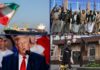

About 30 people trapped federal immigration vehicles in a Salem parking lot until agents used tear gas to escape, police said.
Story Snapshot
- Salem Police said about 30 people blocked federal vehicles; agents used tear gas and left.
- Multiple 911 callers reported eye pain and trouble breathing; responders gave medical aid.
- Police said they had no advance notice and did not coordinate with federal agents.
- A separate Portland case shows an officer calling 911 while a pursuer hit his car window.
What Police Say Happened in Salem
Salem Police said dispatch received a report around 9:30 a.m. that about 30 people had surrounded federal immigration vehicles near Lancaster Drive Northeast and Sunnyview Road. The report said people used cars to block the vehicles. The caller told police that federal agents deployed tear gas to clear a path and then drove away before local officers arrived. Police described the scene and timeline in a public account released after the incident.
After the tear gas, Salem’s 911 center received calls about eye irritation and breathing problems. Police and fire crews responded to give first aid and assess conditions. Officials said they were there to de-escalate, help the injured, and gather evidence. The department added that officers had no prior knowledge of the federal operation and were not working with federal agents that morning. That point matters because some readers assume locals coordinate with federal teams by default.
What Video and Follow-Up Reports Show
Media accounts described video from the parking lot showing several cars forming a perimeter and people surrounding a black vehicle trying to move out. One write-up said a person swung a baseball bat at the vehicle and knocked off a side mirror as the driver crept forward. Those details align with a tense escape rather than a quick departure. Still, local police have not released a full video record or any arrests tied to the clash.
Officials have not named organizers, identified a leader, or confirmed whether the group planned a trap in advance. Without those facts, the record shows obstruction and chemical agents, but not a proven coordinated ambush. That gap fuels arguments from both sides. Some say the crowd endangered officers. Others say the agents escalated too fast. Clearer answers would require body-camera video, more witness accounts, and use-of-force reviews from the agencies involved.
A Separate Portland Officer-Safety Incident
Months earlier in Portland, a federal immigration officer called 911 and said a person on a motorized bike was chasing him, yelling about him being immigration, and punching his car window. A Portland Police Bureau report backed up key parts of that call. The officer told dispatch he might have to use his gun if help did not arrive soon. That event, while separate, shows how quickly these encounters can turn dangerous for everyone involved.
Portland Antifa Records Ambush of ICE Officer in Biggest Self-Own Since the Last Time She Did It https://t.co/KqxYFMlNRB
Hey @AGToddBlanche @AAGDhillon @DHSGenCounsel @SecMullinDHS What's going on here?
— Victoria Taft, The Adult in the Room, FITF Squad (@VictoriaTaft) October 12, 2026
These Oregon incidents land inside a larger fight over how cities handle federal immigration enforcement. Many “sanctuary” policies limit local help on civil immigration matters but still require local police to respond to public safety threats. That split role can confuse the public. People see local uniforms at protests and assume support or opposition to federal actions. In Salem, police tried to make the line clear: they did not coordinate with the operation but did respond to treat injuries and collect evidence.
Why This Matters Beyond One Parking Lot
Scenes like this harden distrust. People on the right see blocked vehicles and a bat swung at a car and ask why basic laws are not enforced. People on the left see tear gas near a shopping strip and ask why tactics escalate around families and bystanders. Both groups see a system that talks past them and acts without transparency. The fastest way to rebuild trust is simple: timely facts, full video where possible, and clear standards for everyone’s conduct.
Open Questions That Officials Could Answer
Key facts remain unclear. Authorities have not said who blocked the vehicles, who swung the bat, or whether anyone faces charges. Agencies have not released detailed reviews explaining why tear gas was necessary at that moment and what alternatives were attempted. Federal officials have not provided a clock-by-clock account to match local dispatch logs. Those answers would help the public judge claims of provocation, proportion, and oversight across local and federal lines.
Sources:
pjmedia.com, ground.news, opb.org, statesmanjournal.com
© dailychive.com 2026. All rights reserved.