(DailyChive.com) – Trump’s Beijing summit is really a test of whether American power still means more than Chinese pageantry and elite dealmaking.
Quick Take
- Trump arrived in Beijing with a high-profile U.S. business delegation that media described as unusually wealthy and influential.
- China signaled it wants more U.S. business, while Xi used the summit to project strength and control.
- The meeting mixed trade talk with larger disputes over Taiwan, chips, AI, and market access.
- The optics highlight a familiar concern across party lines: powerful elites making deals while ordinary Americans watch inflation, job insecurity, and weak accountability.
Trump Uses CEOs as Leverage in Beijing
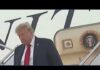
Donald Trump’s arrival in Beijing put business power at the center of diplomacy. Reports say he traveled with a delegation of 17 executives from tech, finance, aerospace, and semiconductors, including Elon Musk, Tim Cook, Jensen Huang, Larry Fink, and David Solomon. Coverage also says the group’s combined net worth tops $1 trillion, making it one of the richest presidential business entourages ever sent abroad.
That detail matters because it shows how modern statecraft often runs through corporate boardrooms instead of ordinary citizens. Trump has framed the trip around market access, purchases, and investment, but the symbolism is bigger than any single deal. For conservatives who distrust globalist arrangements and for liberals who resent concentrated wealth, the same question hangs over the visit: who benefits when national policy is negotiated beside the world’s richest executives?
China Courts U.S. Capital While Keeping Its Grip on Power
Chinese officials used the summit to signal that the country remains open for business. One report said Xi Jinping told Trump that China will further “open up” to U.S. businesses, while another noted expectations for forums meant to ease trade and investment. Beijing’s message is straightforward: China wants American money, American technology, and continued access to U.S. firms, even as it refuses to yield on core political and security issues.
The choreography in Beijing reflects that balancing act. The Great Hall of the People and other ceremonial settings gave the summit a polished, state-controlled feel, reinforcing the image of stability that Chinese leaders want foreign investors to see. At the same time, the pageantry cannot hide the underlying competition. China is trying to welcome U.S. capital without surrendering leverage, which is exactly why the meeting drew so much attention.
Trade, Taiwan, and Technology Remain the Real Fight
Beyond the optics, the summit sits inside a much harder contest over trade, Taiwan, and advanced technology. Reporting from the visit said Trump wants China to buy more U.S. agricultural goods and passenger planes, while Beijing wants relief from pressure tied to tariffs and export controls. The presence of Nvidia and Apple executives underscores how chips, AI, and manufacturing have become strategic issues, not just business issues.
That is where the conservative critique lands with force. When Washington lets a handful of powerful firms shape foreign policy, the public rarely gets a clean deal. Americans have seen enough of runaway outsourcing, weak industrial policy, and elite-driven diplomacy to know the risks. If the summit produces stable trade and clearer rules, that helps. If it becomes another photo-op for entrenched interests, ordinary workers will pay the price.
What the Summit Signals for the Next Phase of U.S.-China Relations
Trump’s Beijing trip suggests both sides still need each other, even as trust remains thin. China needs capital, confidence, and access to top-tier U.S. firms. The Trump administration wants concrete wins, including market access and purchases that can be sold at home as proof that America negotiates from strength. The result is a relationship built on necessity, suspicion, and constant leverage.
For readers across the political spectrum, the deeper lesson is hard to miss. The federal government keeps proving that it will happily stage enormous international meetings while everyday Americans struggle with costs, jobs, and long-term security. Whether the issue is trade, technology, or foreign policy, the same frustration remains: too much power is concentrated in the hands of political and corporate elites who answer to themselves first.
Sources:
Trump’s trillion-dollar business delegation arrives in China, eager for deals
The latest: Xi and Trump summit focuses on business links as Chinese leader issues Taiwan warning
At summit with Trump, Xi signals China to further ‘open up’ to US businesses
Copyright 2026, DailyChive.com