President Trump ordered a substantial cut to upcoming U.S.–South Korea military drills, citing cost and signaling risks toward North Korea.
Story Snapshot
- Trump said he told Defense Secretary Pete Hegseth to “substantially reduce” joint exercises with South Korea.
- The order came one day before the Ulchi Freedom Shield drills were set to begin, running Aug. 17–27.
- Trump argued the drills are costly and send a hostile signal to North Korea.
- Scope of the reductions and expected savings were not specified in public statements.
What Trump Ordered And Why It Matters
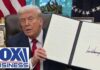
On August 16, President Trump said he instructed Defense Secretary Pete Hegseth to “substantially reduce” joint U.S.–South Korea military exercises. He posted that the drills were costly and sent the wrong signal to North Korea. He added that North Korean leader Kim Jong Un had been respectful to him. Trump’s statement did not include a budget figure or a breakdown of what would change. Coverage summarized his order and reasoning without added cost details.
Reuters reporting ahead of the announcement described the Ulchi Freedom Shield drills as set for August 17 to 27. The training plan included counter-drone work, responses to satellite navigation disruption, and cyberattack scenarios. These events were framed as readiness tasks for allied forces. The timing of Trump’s order came right before the planned start, which could affect schedules, unit movements, and training content if the reduction is executed as stated.
What The Exercises Do For Readiness
U.S. and South Korean forces have long used combined drills to sharpen skills and coordination. Annual exercises help troops practice real tasks like live-fire targeting, maneuver across rivers, and rapid gear distribution, according to prior reporting on similar events. Supporters argue such training strengthens deterrence by keeping forces ready. Critics argue very large drills can also raise tensions with North Korea, which often denounces them in state media.
Research on the alliance shows leaders sometimes scale back drills to lower risk and support diplomacy. Analysts note that changes in size, scope, and timing can signal intent without ending training altogether. Past adjustments, including during earlier periods of talks, aimed to manage tension while keeping core readiness. The debate remains unsettled: some studies find deterrence benefits, while others warn about provocation and spirals if drills expand too far.
What We Know And What Is Still Unclear
Trump’s statement lays out his direction to reduce the exercises and his reasons. It does not define which events will be cut, how many troops will stand down, or what savings are expected. It also does not say whether the order applies only to the August drills or to future cycles. Reporting on the same day did not include a matching Pentagon execution memo or a detailed public update from U.S. Forces Korea that would fix the scope and timing.
US President Donald Trump announced the scaling back of annual military drills with South Korea, just a day before they were set to begin. Pyongyang has long condemned these exercises as invasion rehearsals, complicating the diplomatic landscape. #SouthKorea pic.twitter.com/apIQWRJqDK
— WW3 Watchtower (@WW3Watchtower) August 17, 2026
Ulchi Freedom Shield was planned as a response to evolving North Korean threats, including missiles and cyber risks, according to prior briefings. North Korea had already criticized the drills before Trump’s order, continuing a pattern of denouncing allied training. How a reduction will affect deterrence, alliance confidence, or North Korean messaging will depend on what actually changes in the coming days. For now, the announced goal is to cut costs and lower hostile signals while preserving core defense needs.
Sources:
internazionale.it, axios.com, reuters.com, bloomberg.com
© dailychive.com 2026. All rights reserved.