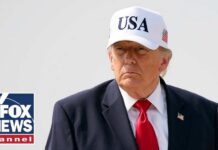

President Trump warned that the United States will punish “any country” that props up Iran’s economy as Washington shifts to maximum financial pressure over new strikes.
Story Highlights
- Trump is prioritizing economic pressure over new military action against Iran.
- Treasury plans “unprecedented” measures, adding to sanctions and a blockade.
- U.S. pressure aims to choke Iran’s oil sales and financial lifelines.
- Experts say sanctions often inflict pain but struggle to force policy change.
Trump Signals Escalation Through Economic Punishment
President Trump said his administration is “low-keying it” on Iran while watching economic pain build, signaling a turn away from immediate new strikes. He framed Iran’s economy as weak and cash-starved, and he warned that any nation helping Tehran will face consequences. His message fits a broader White House plan to raise costs on Iran’s rulers while avoiding a wider war. The approach keeps military options available while pushing pressure through finance and trade tools.
Treasury Secretary Scott Bessent previewed new steps that he described as measures “never seen” before, due as soon as next week. These moves would come on top of months of sanctions and a naval blockade that target Iran’s oil exports, shipping, and access to dollars. The United States has also sanctioned entities tied to digital assets that Iran allegedly uses to move money outside normal banks, tightening the net on alternative channels. Together, these actions aim to starve Tehran of revenue.
What “Any Country” Warning Means for Global Players
Trump’s threat to penalize countries that aid Iran raises the stakes for oil buyers, shippers, insurers, and banks. Secondary sanctions can block foreign firms from the United States market or the dollar system if they deal with blacklisted Iranian sectors. Past U.S. actions show this is credible leverage, especially against oil trade and shipping services. Such pressure can push prices, reroute cargoes, and test partners who want cheap energy but also need access to U.S. finance.
The focus on oil matters because it is Iran’s main hard-currency source. Sanctions that curb exports and payments can hit Tehran’s budget and weaken its currency. The U.S. has used this playbook for years, reimposing major sanctions in 2018 and vowing aggressive enforcement against evasion networks. New measures could expand to more banks, refineries, shadow fleets, and tech platforms that process or hide transactions. Each turn of the screw seeks to close gaps that Iran has used to stay afloat.
Why Washington Prefers Financial Pressure Now
Senior officials describe economic tools as a way to show resolve without triggering a larger shooting war. The White House calls it a safer line that still hurts Iran’s leaders and limits their options. Treasury’s role is central. The department lists authorities under U.S. law that let it target sectors, individuals, vessels, and aircraft tied to Iran’s government and security arms. It also enforces actions aligned with United Nations measures when applicable. This toolkit has become Washington’s default first option.
Analysts across the spectrum agree sanctions can cause deep economic damage, especially early on. Studies and past cases show sharp hits to oil exports, exchange rates, inflation, and growth when pressure ramps up. Yet many experts also warn that sanctions alone often fall short of changing a regime’s core policies. Research on Iran finds that while pain is real, leaders adapt and public costs grow, reducing leverage over time. That mixed record shapes expectations for this phase.
The Stakes for Americans and U.S. Credibility
American families feel outcomes through energy prices, market jitters, and possible blowback at sea. Tighter enforcement on Iranian oil can firm global prices, which lifts fuel costs at home. Shipping risks in the Gulf can add premiums. Supporters argue pressure now may reduce threats later and limit the need for larger wars. Critics note that long sanctions campaigns can drag on, hurting common people while elites find workarounds, and leaving the core dispute unresolved.
🇺🇸BREAKING: Trump Announces “Economic D-Day” on Iran
“I am announcing the MOST CRUSHING ECONOMIC OPERATION EVER TAKEN AGAINST ANY COUNTRY! This will be Economic Warfare and Isolation on an unprecedented scale.”
“I am also announcing that ANY country that allows its financial… pic.twitter.com/QcmVhkksXD
— And We Know©🇺🇸 (@andweknow) August 20, 2026
For many voters, this fight feeds a larger worry: powerful actors make choices that regular people pay for. The United States government leans on the Treasury’s vast reach, while Iran’s rulers move money through front companies and gray networks. If Washington follows through on punishing “any country” that helps Tehran, strain will spread to global firms and governments tied to trade. The test now is whether this squeeze forces talks or cements another long standoff.
Sources:
aljazeera.com, cnbc.com, fortune.com, npr.org, finance.yahoo.com, state.gov
© dailychive.com 2026. All rights reserved.