
Senator John Kennedy says voters didn’t stay home—they crossed over—and he wants Republicans to act before January to win them back.
Story Snapshot
- Kennedy says 2026 losses were a voter rejection, not low turnout, and urges urgent action.
- Election data show economic pain drove many voters toward Democrats, including in red areas.
- Kennedy lists concrete proposals, from faster permits to a ban on congressional stock trading.
- Vice President JD Vance and President Trump highlight the Iran war and gas prices as key causes.
Kennedy’s Core Claim: Voters Switched Sides
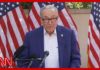
Senator John Kennedy argued that Republicans did not suffer a normal midterm dip. He said many center-right voters chose Democrats, not apathy, and warned colleagues against brushing off the results. In a Fox News interview, he said “they didn’t stay home,” and urged the party to get those voters back. A day earlier, he told reporters to “put down our juice boxes and listen to the American people,” framing the loss as a message from households under strain.
Election reporting backs the idea that economic stress shaped choices at the polls. The Associated Press Voter Poll found high concern about prices for groceries, gasoline, and health care, and said voters very worried about these costs backed Democratic House candidates by wide margins. The Washington Post noted that Democrats won a majority of battleground voters who ranked the economy among their top issues. That pattern included many places that usually lean right.
What He Wants Republicans To Do Now
Kennedy coupled his diagnosis with a to-do list. Reports say he urged passage of a permitting bill to speed energy and infrastructure projects, a reconciliation bill, a higher tax-free gain on home sales, a ban on congressional stock trading, registration rules for pardon brokers, and more military funding. He pressed leaders to move these items before Democrats take over, saying delay would waste a chance to show results that matter to family budgets and public trust.
His pitch targets the shared worry that Washington serves insiders first. A stock-trading ban and controls on pardon brokers go at that concern directly. The permitting push aims at energy supply and project delays that raise costs. Still, the evidence presented so far does not show voters asked for this exact package, and it does not yet tie these bills to near-term drops in grocery or gas prices. Independent scoring would help close that gap.
Rival Explanations From Inside The Party
Vice President JD Vance pointed to the Iran war as the main reason for defeat. He said many 2024 Trump–Vance voters backed Democrats in 2026 to end the war, fix cost of living, put America first, and change the United States’ relationship with Israel. He added that Republican economic messaging “wasn’t sharp enough.” President Trump argued that gasoline prices drove losses, while also saying the war’s effect on energy costs was “largely true”.
Senator Ted Cruz warned about a real economic disconnect, saying some Republican candidates seemed not to grasp daily costs that families face. These views overlap with Kennedy’s focus on household strain but differ on what to fix first. Kennedy stresses listening and quick legislation. Vance stresses ending an unpopular war and sharpening the message. Trump stresses fuel prices. All three aim at the same pain point: people feel squeezed and unheard by leaders in Washington.
What The Data Show—and What We Still Do Not Know
Available polling ties Democratic gains to pocketbook worries. In Texas, about two in ten voters reported severe inflation hardship, and roughly three-quarters of that group backed the Democratic candidate in a key race. Nationally, Democrats won a majority of voters in battleground districts who ranked the economy among their top issues. These are concrete signs that cost pressure changed votes, not only turnout patterns, in places Republicans needed to hold.
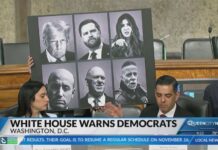
Sen. John Kennedy is urging Republicans to take responsibility for their midterm election losses and work to win back voters, warning against dismissing the results as a typical setback for the party.https://t.co/1Vmc1zG6Jt
— WLOS (@WLOS_13) November 13, 2026
Limits remain. The record does not prove that Republicans lost mainly because they “did not listen.” Other drivers—war fatigue, fuel prices, tariffs, and candidate quality—likely mattered too. Kennedy’s proposals have clear targets, but the public evidence does not yet link them to the specific price drops voters want soon. For readers who feel both parties ignore regular people, the common thread is clear: families sent a message. The question now is which fixes will lower costs and rebuild trust fastest.
Sources:
twitchy.com, washingtonexaminer.com, washingtonpost.com, yahoo.com, knewz.com, newrepublic.com, thehill.com
© dailychive.com 2026. All rights reserved.