(DailyChive.com) – An alleged ransom note with “two deadlines” has turned a missing-person case in Tucson into a national test of how fast law enforcement can move—and how easily criminals can manipulate the public with unverified claims.
Story Snapshot
- Nancy Guthrie, 84, the mother of NBC “Today” co-host Savannah Guthrie, disappeared from her Tucson, Arizona home days before Feb. 5, 2026.
- Authorities said they suspect an abduction as purported ransom notes surfaced, but investigators had not confirmed authenticity or identified suspects.
- President Trump publicly pledged full federal support after speaking with Savannah Guthrie, bringing additional federal resources into the search.
- Pima County investigators and the FBI re-entered and re-processed the home, while the community held a vigil as the case hit day five.
What investigators say happened—and what remains unverified
Nancy Guthrie vanished from her home in Tucson over the weekend before Feb. 5, prompting a multi-day search led by local authorities with FBI involvement. By the fifth day, investigators said they believed she was “still out there,” while reports circulated about ransom notes that allegedly included two deadlines. Key details—including who wrote the notes and whether they are legitimate—remained unconfirmed, a crucial point as investigators work to separate evidence from noise.
Savannah Guthrie released an emotional video appeal urging anyone holding her mother to make contact and emphasizing the family’s need to know she is alive. Her brother, Cameron Guthrie, issued a separate plea later the same day. Those public messages amplified the case nationally, but they also highlight a modern reality: publicity can accelerate tips, while also inviting hoaxes and opportunists who exploit grief, attention, and confusion during a rapidly developing investigation.
Trump’s federal response and the role of multi-agency coordination
President Trump said he spoke with Savannah Guthrie and directed federal law enforcement resources to assist in bringing her mother home safely. A White House official confirmed the federal posture, and CBS reporting described expanded involvement alongside the local investigation. In practice, that kind of coordination can mean more personnel, more specialized expertise, and faster access to federal tools—while still leaving the primary fact-finding and case management with investigators on the ground in Pima County.
Federal participation also included support capabilities relevant to the region. Tucson sits in southern Arizona, and the search drew on specialized resources, including Border Patrol’s BORSTAR search-and-rescue unit, according to the reporting. That matters because missing-person cases can quickly become terrain-and-time problems as much as they are criminal investigations. When minutes count and leads are scarce, additional trained search personnel can expand the grid, re-check areas, and pursue tips that smaller departments may struggle to cover alone.
Ransom notes, deepfake fears, and why verification matters
The most alarming element—purported ransom notes with two deadlines—came with a major caveat: authenticity was not established in the available reporting. That uncertainty is not a technicality; it’s the line between actionable evidence and a deliberate distraction. Investigators have to assess whether a note is connected to the disappearance, whether it reflects genuine knowledge, and whether its “deadlines” are an attempt to force the family or police into panic-driven decisions.
Former FBI officials cited in the coverage emphasized how intensive these cases can become, describing hundreds of people working frantically when a vulnerable adult is missing under suspicious circumstances. The reporting also referenced prior elderly abduction-ransom scenarios where victims were recovered after several days, a precedent that helps explain why investigators and the family continued to push hope alongside urgency. Even so, without confirmed suspects or proof behind the messages, the note story remained a lead—not a conclusion.
Community vigilance, public attention, and limits of what’s known
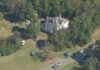
Tucson residents held a community vigil as the search continued, underscoring that the case is not only a media story but a local emergency with real neighbors scanning roads, desert edges, and neighborhoods for clues. Investigators re-entered the home with crime scene tape as part of the renewed processing described in the reporting. That step signals an active, evolving investigation, but it does not reveal what evidence—if any—has been recovered.
Limited verified detail is a defining feature of the case as covered through Feb. 5: no named suspects, no confirmed motive, and no publicly validated ransom proof. For Americans worn down by years of institutional “narratives” and politicized spin, the best safeguard is straightforward: stick to what authorities can verify, demand accountability for outcomes, and resist the instant-certainty culture that can derail investigations. The priority remains the same—finding Nancy Guthrie alive and bringing her home.
Sources:
CBS Evening News – Full Episodes
02/05/2026: World News Roundup
Copyright 2026, DailyChive.com