

(DailyChive.com) – Washington just proved it can fund airport screeners and cyber defenses overnight—while treating immigration enforcement like a bargaining chip.
Story Snapshot
- The Senate approved a partial DHS funding bill by voice vote around 2 a.m. ET after a 42-day shutdown.
- The package funds TSA, FEMA, the Coast Guard, and CISA, but excludes ICE and parts of CBP.
- Democrats celebrated blocking ICE funding without getting the reforms they demanded; Republicans accepted the deal to reopen key operations.
- The bill heads to the House next, then to President Trump for a signature if it clears.
Senate reopens most of DHS—without ICE and parts of CBP
Senators passed a stopgap-style funding package for most of the Department of Homeland Security early Friday morning, using a voice vote while Sen. Bernie Moreno presided. The legislation funds agencies tied to day-to-day national operations—TSA, FEMA, the Coast Guard, and the Cybersecurity and Infrastructure Security Agency—while leaving Immigration and Customs Enforcement and portions of Customs and Border Protection out of this specific bill.
Lawmakers framed the late-night move as a practical step to end a 42-day shutdown that strained staffing and basic operations, especially at airports. Even with the exclusion, ICE and affected CBP functions are expected to keep operating because separate funding is available through a different appropriations vehicle referenced in reporting as the “One Big Beautiful Bill.” The exact carve-outs for CBP were not fully specified in the available reports.
Why the deal happened: airport disruptions forced a narrow compromise
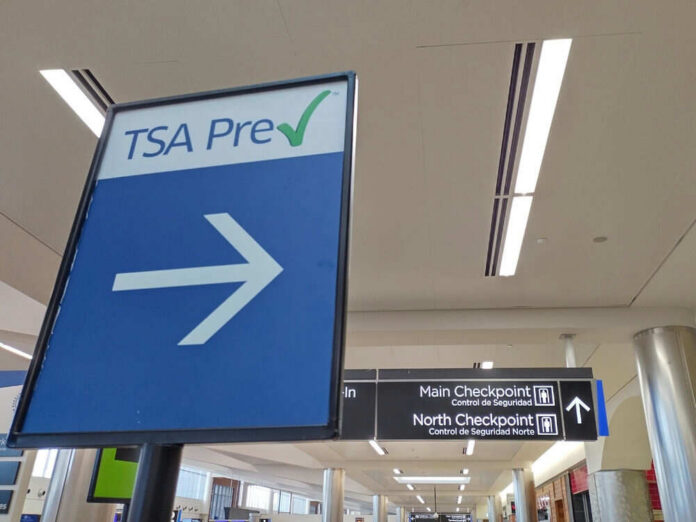
The pressure point was not abstract politics; it was operational pain. TSA staffing shortages contributed to long lines, delays, and knock-on economic costs for travelers and workers—creating a time-sensitive incentive to fund security screening even as the larger immigration fight stayed unresolved. With Congress facing scheduling pressure and an approaching recess, leaders chose a partial reopening rather than risk letting the shutdown drag into broader public disruption.
That structure also explains the unusual shape of the bill. Instead of settling the border and enforcement debate, the Senate separated “must-run” DHS functions from the agencies most likely to trigger partisan warfare. The result is a government-by-slices approach: keep planes moving and cyber monitoring funded, then return later to the political fight over immigration enforcement. For voters demanding functional governance without blank-check politics, this looks like triage, not resolution.
Democrats claim they “held the line”; Republicans signal a tougher next round
Senate Democrats, led by Chuck Schumer, publicly praised their caucus for blocking ICE and parts of CBP funding without conditions, arguing enforcement dollars should be tied to operational changes. However, reporting also indicates Democrats did not secure the reforms they were seeking in this package, meaning their immediate win was primarily about withholding funds rather than rewriting policy. That distinction matters when evaluating what actually changed.
Republicans, for their part, accepted the partial funding bill to restore core DHS operations but indicated the dispute is not over. GOP senators described plans to revisit ICE and CBP funding later—potentially using reconciliation procedures that can bypass some forms of Senate opposition—and suggested any future package could be “much harsher.” In practice, that sets up another high-stakes budget showdown with immigration enforcement again at the center.
What it means for conservatives: security funded, border enforcement politicized
Conservative voters tend to prioritize secure borders, constitutional governance, and limited but effective government. This episode underscores how immigration enforcement can be walled off from “popular” security functions and used as leverage—even while the public is told enforcement will continue anyway through other funding. The inconsistency frustrates citizens who want transparent budgeting: either fund enforcement openly with accountability or debate reforms directly, not through shutdown brinkmanship.
The next major test is in the House and then at President Trump’s desk. House action will determine whether the Senate’s partial approach becomes law or is reshaped into a broader DHS package. Because the reporting did not detail the White House’s position on the compromise, the main confirmed reality is procedural: if the House passes it, President Trump can sign it, and most DHS operations stabilize while ICE and parts of CBP remain politically contested.
Sources:
Video Senate passes bill to fund all of DHS except for ICE and parts of CBP
Senate passes bill to fund DHS except for ICE and parts of CBP
National Immigration Law Center action page (English)
Copyright 2026, DailyChive.com