
(DailyChive.com) – A federal indictment now puts one of America’s most influential “hate-watch” nonprofits on the defensive over allegations it secretly routed millions to extremists.
Story Snapshot
- The DOJ announced an 11-count indictment accusing the Southern Poverty Law Center of wire fraud, bank fraud, and money laundering tied to alleged payments to extremist-linked individuals.
- Federal officials say the SPLC funneled more than $3 million from 2014–2023 through shell companies and prepaid cards to people connected to groups including the KKK and National Socialist Movement.
- Chris Cuomo argued the prosecution “helps the bad guys” by undercutting SPLC intelligence work, while DOJ leaders say the conduct funded the very extremism SPLC claims to monitor.
- SPLC has said it no longer uses paid informants, but the case raises broader questions about transparency, donor trust, and how political labels can be weaponized.
What the DOJ says the SPLC did—and why prosecutors call it fraud
Federal prosecutors in the Middle District of Alabama unveiled an 11-count indictment alleging the Southern Poverty Law Center used deceptive payment channels—such as shell entities and prepaid cards—to move money to at least eight individuals tied to extremist groups from 2014 through 2023. DOJ officials said the alleged scheme involved more than $3 million and included payments to figures linked to the Ku Klux Klan, the National Socialist Movement, and organizers connected to Unite the Right.
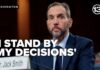
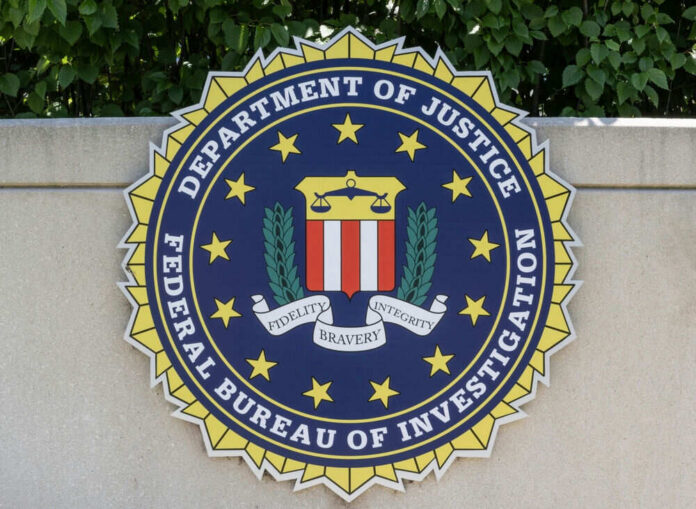
At the press conference, Acting Attorney General Todd Blanche framed the case as a stark reversal of SPLC’s public mission, saying the alleged conduct was “not dismantling extremism but funding it.” FBI Director Kash Patel emphasized the mechanics of the allegation, arguing that shell companies and related methods misled financial institutions. The DOJ’s charging mix—wire fraud, bank fraud, and money laundering—signals the government is treating this as a financial deception case, not a debate over ideology.
Cuomo’s pushback vs. the government’s theory of the case
Chris Cuomo criticized the indictment by arguing that targeting SPLC’s practices ultimately “helps the bad guys,” because informant-like channels can produce intelligence about violent organizations. That defense rests on a familiar claim: that paying sources can be a necessary tool in tracking extremists. The DOJ’s public stance, however, focuses less on whether information was gathered and more on whether donors and banks were deceived about where money went and why.
The factual gap that matters most right now is procedural: an indictment is an accusation, not a conviction, and the public has limited visibility into what SPLC disclosed internally to donors, auditors, and banks. SPLC has offered a narrower public defense, framing scrutiny as related to “prior” use of paid confidential informants and noting it no longer uses paid informants. Until court filings and evidence are tested, both the “intelligence-gathering” explanation and the “fraud-for-extremism” allegation remain contested.
Why this case hits a political nerve on both right and left
For conservatives, the SPLC has long been controversial because its “hate” labels can carry real-world consequences—fundraising lockouts, deplatforming, and reputational ruin—sometimes aimed at mainstream right-of-center groups. That context makes the indictment politically combustible: a group that helps define who is treated as beyond the pale is now accused of covert financial conduct. For many voters already distrustful of institutions, the case reinforces concerns about unaccountable nonprofit power.
What comes next: accountability, donor trust, and the limits of “informant” logic
In the short term, the SPLC faces legal jeopardy, reputational damage, and donor skepticism, especially if the government substantiates claims that money moved through disguised channels. The case also pressures other nonprofits that rely on confidential sources to clarify compliance boundaries—how payments are authorized, recorded, and disclosed—without compromising legitimate investigative work. Even people who dislike extremist groups may still expect transparent stewardship of donor funds and straightforward dealings with financial institutions.
NEW>> Chris Cuomo: DOJ Is ‘Helping the Bad Guys’ by Targeting the SPLC for Paying Hate Groups’ Leadershttps://t.co/jWhXilVNKB pic.twitter.com/dSm9JCLdND
— Twitchy Team (@TwitchyTeam) April 24, 2026
Politically, the dispute illustrates a larger 2026 reality: Americans across the spectrum increasingly suspect powerful organizations—public and private—operate by different rules than everyone else. The DOJ says the rule is simple: fraud is fraud, even when wrapped in a morally charged mission. Cuomo’s critique highlights another tension: when trust in government is low, prosecutions can be interpreted through partisan lenses. The courts will ultimately determine which narrative fits the evidence.
Sources:
https://www.foxnews.com/politics/southern-poverty-law-center-says-doj-investigation
Copyright 2026, DailyChive.com