
(DailyChive.com) – President Trump warns major U.S. companies like Apple and Amazon he will “remember” them if they seek refunds on tariffs meant to protect American workers, exposing tensions between loyalty to America First policies and corporate profit motives.
Story Snapshot
- Trump’s pointed remark targets firms hesitating on tariff refunds, framing non-action as patriotic support for national strength.
- UPS and FedEx file for refunds after Supreme Court blocks broad tariffs, while Big Tech pauses amid backlash fears.
- Statement revives protectionism debates, linking to first-term tariffs under Sections 232 and 301 that shielded domestic industries.
- Critics call it a veiled threat; supporters see it as a loyalty call against globalist interests hurting U.S. jobs.
Trump’s Direct Warning to Corporate America
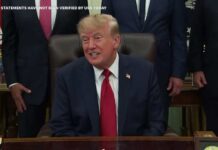
President Donald Trump stated in a recent interview that companies not seeking tariff refunds would be remembered by him, tying their choice to patriotism and efforts to strengthen the United States. He responded to questions about firms like Apple and Amazon holding back, contrasting them with UPS and FedEx, which have filed claims. This comes after a Supreme Court ruling blocking broad tariffs, enabling refund processes through court challenges and Commerce Department actions. Trump’s words underscore his first-term strategy of using duties on steel, aluminum, and Chinese goods to protect American industries from unfair trade.
Companies Weigh Refunds Against Political Risks
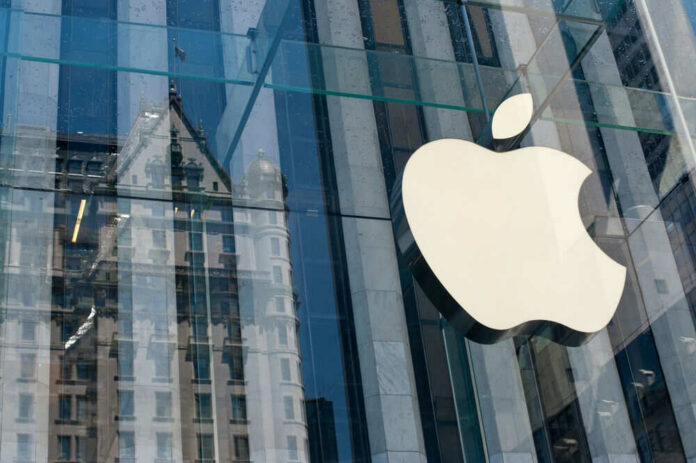
Bloomberg reports confirm UPS and FedEx pursuing refunds for tariffs paid during 2018-2019, costs often passed to consumers or absorbed by businesses. Larger entities like Apple and Amazon delay filings, concerned about offending Trump and facing future scrutiny. CEOs balance fiduciary duties to shareholders with political risks, including potential policy impacts on stocks and regulations. No direct legal authority compels choices, yet Trump’s influence via public statements sways corporate decisions in a protectionist climate.
Historical Tariffs and Ongoing Trade Debates
Trump’s tariffs originated under Sections 232 and 301 to counter import threats, sparking U.S.-China tensions that some link to China’s economic rise. Biden-era modifications continued some duties, with refunds emerging post-legal blocks. Precedents include Trump praising firms avoiding China during the trade war. Current dynamics pit protectionism—credited with aiding U.S. manufacturers—against free-trade views decrying interference. Both sides express frustration with government overreach, echoing shared distrust of elites prioritizing power over citizens’ economic dreams.
Refunds signal momentum after court wins, but hesitancy reveals power imbalances where informal presidential pressure affects private enterprise. This challenges corporate independence, a concern for limited government advocates who value free markets yet support America First safeguards against globalism.
“I’ll Remember Them” – Tariff Refunds Trigger Trump WARNING To Companies pic.twitter.com/YnTEcQr8Eg
— PBD Podcast (@PBDsPodcast) April 23, 2026
Implications for Economy and Patriotism
Short-term, delayed refunds strain company cash flows and spark stock volatility from headlines. Long-term, it may chill business decisions, setting precedents for political loyalty in trade policy. Consumers who bore tariff costs seek relief, while protected sectors benefit. Debates frame patriotism versus self-interest: Pro-Trump voices hail it as brilliant signaling against firms offshoring jobs; critics decry inappropriate pressure undermining fiduciary duties. Neutral observers note rational risk assessment amid unresolved U.S.-China echoes. These tensions highlight bipartisan weariness with a federal government seen as failing everyday Americans chasing the dream through hard work.
Sources:
Copyright 2026, DailyChive.com