

(DailyChive.com) – Could a political strategy disguised as crime prevention lead to a democratic crisis in America?
Story Overview
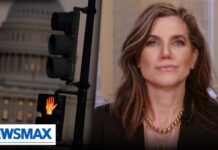
- Rep. Madeleine Dean fears Trump may use National Guard deployments to suspend elections.
- Trump’s actions seen as political theater rather than genuine crime-fighting efforts.
- Speculative claims of election suspension lack direct evidence.
- Federal deployments heighten tensions between local and federal authorities.
Trump’s Deployment of the National Guard
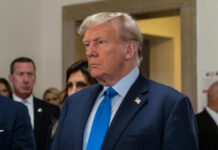
In August 2025, former President Donald Trump deployed over 2,200 National Guard troops in Washington, D.C. He signaled intentions to expand these deployments to other major cities like Chicago and New York. According to Trump, the deployments were necessary to combat rising crime rates in these Democratic-run cities. However, critics, including Rep. Madeleine Dean, argue that these actions are more about political posturing than genuine crime prevention.
Dean’s concerns echo broader fears that Trump’s actions could serve as a pretext for declaring a national emergency and potentially suspending elections. This claim, however, remains speculative without substantial evidence to support such an intent. The political climate is tense, with Democratic leaders and city officials pushing back against what they see as federal overreach.
Legal and Historical Context
The use of the National Guard in domestic situations is governed by the Insurrection Act, allowing federal intervention under specific circumstances. Historically, such deployments have been controversial, often seen during periods of civil unrest or natural disasters. The debate now centers on whether the current deployments are justified or if they serve a political agenda.
Past incidents, like the 2020 deployment of federal agents to Portland, set a precedent for controversial federal interventions. However, the notion of suspending elections is unprecedented and would face significant legal and constitutional challenges. Legal scholars assert that any attempt to suspend elections would be unconstitutional, lacking a legal mechanism for unilateral presidential action.
Political and Social Reactions
Reactions to Trump’s deployments are polarized. Supporters argue that federal intervention is necessary to restore order in high-crime cities. Critics, including city leaders like Chicago Mayor Brandon Johnson, oppose these actions, viewing them as politically motivated and a threat to local autonomy. Johnson has even threatened legal action should the National Guard be deployed in Chicago.
Not serious about Crime?
Dem #RepDean: Trump Will Occupy City After City, Claim Emergency, Suspend Electionshttps://t.co/NLCE14V3tH
— MasticatingDeceit (@VeracityAlways) August 25, 2025
Democratic leaders, including Hakeem Jeffries, accuse Trump of manufacturing a crisis to justify these interventions. The situation has heightened partisan divides, with legal and political opposition mounting at both city and congressional levels. The broader American public remains concerned about the implications for democratic norms and the potential for increased federal intervention in local matters.
Implications and Expert Analysis
The short-term implications include heightened political tensions and potential legal battles between federal and local authorities. Long-term, these actions could set a precedent for expanded federal intervention in local law enforcement, eroding trust in democratic institutions if perceived as politically motivated.
Experts warn that using federal troops for domestic law enforcement can undermine democratic norms and escalate tensions. Security experts also note that such deployments are often ineffective for crime prevention. The broader impacts are economic, social, and political, with potential disruptions to local economies, increased polarization, and intensified partisan divides.
Copyright 2025, DailyChive.com