(DailyChive.com) – A D.C. court just rejected the city’s outrageous $1.5 million extortion attempt to bury January 6 bodycam footage, handing a major win to transparency advocates.
Story Snapshot
- D.C. Superior Court denies MPD’s bid to withhold over 1,000 hours of bodycam video from the January 6, 2021, Capitol protest, citing privacy and massive redaction fees.
- Judicial Watch’s five-year FOIA battle advances with a hearing set for January 8, 2026, before Judge Carl E. Ross.
- MPD demanded $1.5–$1.57 million to redact faces and voices in public event footage, called “extortion” by Judicial Watch President Tom Fitton.
- Ruling challenges government secrecy, potentially setting FOIA precedent for police bodycams at high-profile public events.
Court Rejects D.C.’s Withholding Bid
D.C. Superior Court rejected the District of Columbia’s motion to withhold Metropolitan Police Department bodycam footage from January 6, 2021. The MPD sought to deny Judicial Watch’s FOIA request by demanding $1.5 to $1.57 million for redacting faces and voices in over 1,000 hours of video. Judge Carl E. Ross scheduled a hearing for January 8, 2026, at 2:30 p.m. ET. This decision advances the nonprofit’s push for unredacted public access to the records.
Five-Year FOIA Battle Unfolds
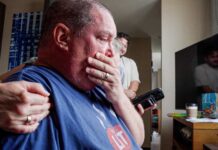
Judicial Watch filed its FOIA request in August 2021 for all MPD body-worn camera audio and video from the Capitol protest response, including Officer Michael Fanone’s footage. MPD acknowledged the appeal but failed to respond, leading to a denial. Judicial Watch sued in June 2024 in D.C. Superior Court, case No. 2024-CAB-003453. CNN aired select Fanone footage in May 2021, highlighting selective prior releases amid broader transparency disputes.
Judicial Watch Charges Government Cover-Up
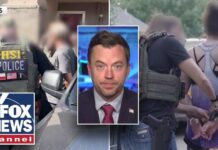
Tom Fitton, Judicial Watch president, accused D.C. of hiding videos with no good reason, emphasizing the public’s right to unedited footage from a public event. He labeled the fee demand “extortion” and questioned, “What are they hiding?” MPD justified withholding based on privacy for non-officers’ faces and voices visible in public settings. Judicial Watch argues the footage captures open actions, not sensitive private data, aligning with FOIA principles of government accountability.
Precedents and Broader Transparency Push
Prior Judicial Watch efforts yielded Ashli Babbitt shooting video and interview in 2021, plus House Republican releases of other January 6 videos in 2023. This MPD-specific fight differs by targeting bodycams from assisting officers, not Capitol Police. The ruling questions taxpayer-funded redactions and privacy exemptions for public events, potentially easing future records access nationwide.
Implications for Government Accountability
A full release could enable public scrutiny of MPD actions, revising narratives shaped by selective media clips. Short-term, it pressures D.C. taxpayers avoiding nonprofit fee burdens; long-term, it bolsters FOIA enforcement against high costs and secrecy. Both conservatives frustrated by deep state opacity and others weary of elite cover-ups see this as a step toward restoring trust in institutions founded on open governance.
Sources:
5 Years Later: DC Police Still Hiding January 6 Videos
Cover-Up: Judicial Watch Sues DC Police for Jan 6 Bodycam Vids
Extortion: DC Demand $1.5 Million for Jan 6 Police Body Cam Vids
Victory: January 6 Videos Released
Legal Watchdog: D.C. Police Demand $1.57 Million to Release Jan. 6 Bodycam Footage
Copyright 2026, DailyChive.com