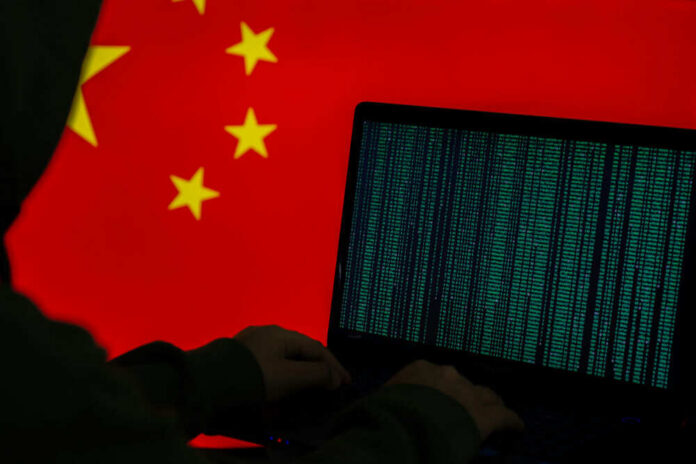
(DailyChive.com) – China’s communist regime now demands citizens surrender their real identities and submit online content for government approval before gaining the privilege to post on social media—a chilling blueprint for total digital authoritarianism that should alarm every American who values freedom of speech.
Story Snapshot
- China’s Cyberspace Administration mandates real-name registration for all social media users, linking violations to Social Credit System penalties
- Government censors review and block posts before publication, particularly targeting content about marriage, childbirth, feminism, and political dissent
- Tech giants Tencent, ByteDance, and Weibo act as state enforcers, employing thousands of censors and AI systems to suppress unapproved expression
- Users face account bans, detentions, and criminal sentences for posting content the Communist Party deems threatening to “social stability”
Digital Papers Required for Online Expression
China’s communist government has perfected a dystopian system where citizens must provide real identities to social media platforms before expressing any opinion online. The Cyberspace Administration of China enforces mandatory real-name verification across platforms like Weibo and WeChat, creating a permanent link between every user and their online activity. This requirement enables authorities to review or block posts deemed sensitive before they ever reach the public, effectively transforming free expression into government-approved speech. Unlike Western platforms that moderate content after publication, China’s system demands upfront identity verification and ideological compliance as prerequisites for digital participation.
Social Credit Surveillance Weaponized Against Dissent
The integration of internet censorship with China’s Social Credit System represents authoritarian control reaching into every aspect of citizens’ lives. Since July 2019, the Communist Party has linked online violations directly to Social Credit blocklists, punishing unapproved speech with restrictions on travel, employment, and financial services. December 2022 regulations escalated control further by classifying even “likes” as reviewable comments subject to censorship. This comprehensive surveillance apparatus forces citizens to self-censor or face consequences that extend far beyond their digital presence, destroying the boundary between online expression and real-world punishment that Americans take for granted.
Feminist Speech Targeted in Fertility Campaign
Recent mandates reveal how totalitarian regimes weaponize censorship to enforce social engineering. In February 2026, the Cyberspace Administration ordered platforms to censor content expressing “fear of marriage” or “childbirth anxiety,” building on January 2026 crackdowns targeting “extreme feminism” and rhetoric opposing marriage or childbearing. Authorities warned comedian Fang Shaoli over viral divorce content, scrubbing her Weibo posts from existence. Human Rights Watch documented this “stringent surveillance regime” as direct hostility toward women’s rights, deployed to boost China’s declining fertility rates. The government’s desperation to control even private anxieties about family life demonstrates authoritarianism’s incompatibility with individual liberty and personal choice that define American values.
Tech companies like Tencent and ByteDance function as willing accomplices to oppression, hiring thousands of employees to manually review content alongside AI-powered keyword filters. These corporations prioritize profits and market access over basic human rights, collaborating with the Communist Party to suppress discourse on feminism, LGBTQ issues, protests, and economic criticism. International firms like Apple also comply, removing apps such as Blued in November 2025 at government demand. This corporate complicity enables what analysts describe as a “digital parallel universe” where only state-approved narratives exist, while activists attempting workarounds like using “Rice Bunny” as code for #MeToo face detention and criminal prosecution.
Authoritarian Blueprint Americans Must Reject
China’s system creates severe consequences for citizens seeking basic freedoms Americans consider birthright. Users face post deletions, account suspensions, and imprisonment—activist Chen Pinlin received a criminal sentence in 2025 merely for producing a protest film. Freedom House reports that sharing news or religious faith online triggers severe repercussions under this regime. The long-term impact chills all discourse challenging government orthodoxy, fostering mass self-censorship while pro-regime nationalists called “Little Pinks” dominate online spaces. Academic research confirms China extends these controls even to large language models, censoring AI systems in ways democratic nations refuse, revealing technological totalitarianism’s next frontier.
This cautionary tale exposes what happens when governments gain power to condition fundamental rights on ideological compliance. The Communist Party’s demand that citizens surrender identities and submit thoughts for approval before speaking mirrors historical tyrannies Americans fought to escape. As President Trump works to restore constitutional principles after years of leftist overreach, China’s authoritarian playbook reminds us why the First Amendment prohibits government from controlling speech. Every American who values liberty must recognize this threat and resist any domestic effort—whether through corporate censorship partnerships or government pressure on platforms—to import elements of this un-American system onto our shores.
Sources:
Internet censorship in China – Wikipedia
China: World Report 2026 – Human Rights Watch
Country Policy and Information Note: Opposition to the State, China – UK Government
China’s Digital Parallel Universe – Jacobin
China: Freedom on the Net 2025 – Freedom House
Censorship regulations extend to AI language models in China – EurekAlert
Censorship of Large Language Models – PNAS Nexus
Copyright 2026, DailyChive.com