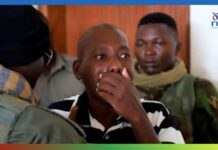

Federal prosecutors say a former police detective strangled a pregnant woman to stop her from exposing alleged abuse and crimes, and they have the texts, DNA, and experts to prove it.
Story Highlights
- Indictment says Matthew Farwell killed Sandra Birchmore to block reports of possible federal crimes.
- Government experts told jurors the death was homicide by strangulation, not suicide.
- Investigators recovered tens of thousands of messages shaping motive and control claims.
- Defense experts say the evidence fits hanging and leaves the manner of death undetermined.
What Prosecutors Allege Happened and Why It Matters
Federal charging papers state that on or about February 1, 2021, then‑Stoughton, Massachusetts detective Matthew Farwell killed 23‑year‑old Sandra Birchmore by strangulation in Canton. The superseding indictment says he acted to stop anyone from telling law enforcement about possible civil‑rights violations, coercion and enticement, and wire fraud tied to his alleged abuse of power. This theory shifts focus from scandal to public trust. It claims a sworn officer used his badge and access to protect himself from exposure.
Trial coverage described the government’s forensic pathologist telling jurors the scene and injuries showed homicide, not suicide. Reporting highlighted testimony about a chest imprint, a broken neck bone, and the claim that Farwell was the last person with Birchmore before her phone stopped moving. Another report said a medical examiner tied Farwell’s DNA to a strap prosecutors called the murder tool, and that DNA from Farwell and another man was found on Birchmore’s underwear. These details anchor the state’s physical case.
The Digital Trail That Frames Motive and Control
Agents recovered a large set of messages and online data. News accounts said investigators documented about 240,000 communications overall, including roughly 24,000 between Birchmore and Farwell. Prosecutors used them to show alleged grooming, choking, demands for secrecy, and control over years. This volume can cut both ways. It gives a timeline of pressure and fear, but it also invites debate over context, selection, and what the full threads mean without every message and log.
Coverage also reported a major twist on pregnancy and motive. DNA testing showed another man, Jason Pickard, fathered Birchmore’s unborn child, weakening a simple “pregnancy panic” motive. The indictment, however, does not depend on who fathered the child. It centers on stopping reports of possible federal crimes tied to alleged abuse under color of law. That keeps the core theory on concealment, even as the defense points to paternity to raise doubt about intent.
The Defense Challenge: Suicide, Uncertainty, and Expert Dispute
The defense called medical experts who said the evidence fits death by hanging and that the manner should be listed as undetermined. One expert testified the neck bone fracture could come from convulsions during death or later handling, not manual strangulation. He said ligature marks matched the position where Birchmore was found. Other defense witnesses questioned whether the chest injury proved staging or pointed to a specific cause. Their goal was to create reasonable doubt about homicide.
Friday
This
👇
"You heard the DNA tests that support inclusion of the defendant on the ligature" -Prosecution Closing Arguments Matthew Farwell Murder Trial, Accused Of Murdering Sandra Birchmore— Celestia St. Clair (@CelestiaStClair) November 6, 2026
The original autopsy ruled the death a suicide by hanging, which the government now disputes. Competing experts fought over the same injuries and scene signs, a classic “dueling experts” problem in forensic cases. When trained authorities disagree, citizens worry that institutions will back their own or bury mistakes. That fear grows when a case involves a police insider and years of private messages that suggest power used in secret. Jurors must decide which reading best fits the facts.
The Larger Stakes: Power, Accountability, and Public Faith
This case touches a national sore spot: when public servants misuse power, victims often feel trapped, and the system looks slow to act. Academic work on police sexual misconduct frames it as corruption that harms victims and erodes trust across a force. The prosecution’s theory, if proven, says a badge shielded abuse until a witness was silenced. The defense reply, if it sways jurors, warns that tragic suicides can be misread as crimes when pressure to “fix” past errors is high.
What to Watch Next in Court
Watch for how jurors weigh three anchors: the indictment’s concealment motive under federal law, the physical and DNA evidence tying Farwell to the alleged ligature, and the digital timeline of control and fear. Balance those against the defense’s testimony that injuries fit hanging and that paternity undercuts the most obvious motive. The verdict will not just decide one man’s fate. It will signal whether institutions can confront abuse within their own ranks fairly and fast.
Sources:
nypost.com, enterprisenews.com, govinfo.gov, cnn.com, nbcboston.com, heraldnews.com, detroitnews.com
© dailychive.com 2026. All rights reserved.