

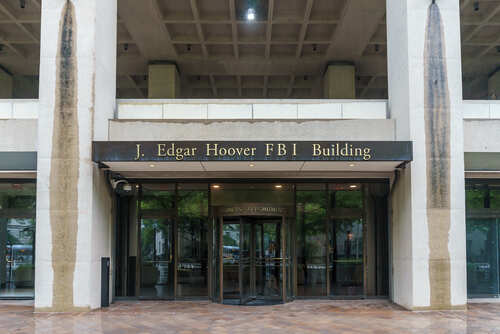
(DailyChive.com) – A fictional narrative surrounding Kash Patel as FBI Director has sparked unfounded controversy, revealing the dangers of misinformation.
Story Snapshot
- No credible sources confirm Kash Patel as FBI Director.
- Charlie Kirk is alive; no murder investigation exists.
- Misinformation undermines trust in institutions.
- The scenario highlights the threat of fictional news narratives.
Unsubstantiated Claims Regarding Kash Patel
The story alleging Kash Patel as FBI Director embroiled in controversy over Charlie Kirk’s supposed murder is entirely unfounded. No credible news outlet or official record supports this narrative. Kash Patel has not held the position of FBI Director, as Christopher Wray continues in this role through mid-2025. The fictitious narrative misrepresents both Patel’s role and the status of Charlie Kirk, a known conservative activist, who is alive and not involved in any murder investigation.
This misinformation underscores the importance of verifying facts with credible sources, especially when narratives involve high-profile figures and sensitive roles within federal agencies.
Impact of Fictional Narratives
The spread of such false narratives can have damaging effects on public trust in institutions. By presenting unfounded claims, these stories contribute to the polarization of public opinion and skepticism towards law enforcement. While the described events have not occurred, the narrative’s existence calls attention to the power of misinformation to influence public discourse and erode confidence in democratic processes.
Experts consistently emphasize the need for credible reporting and the dangers posed by politicizing law enforcement narratives. The dissemination of baseless stories can lead to confusion and diminish the integrity of public dialogue.
Consequences of Misinformation
While the fictional scenario involving Kash Patel and Charlie Kirk has no basis in reality, the implications of such misinformation can be significant. It highlights the risk of eroding trust in media and institutions, potentially leading to increased public cynicism and division. The broader impact extends to the realm of public policy, where misinformation can distort debate and hinder informed decision-making.
In light of these findings, it is crucial for both media consumers and producers to prioritize accuracy and verify information from reputable sources to maintain the integrity of public discourse and democratic values.
Copyright 2025, DailyChive.com