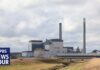

Four metallic canisters washed up on a Queensland beach, and officials quickly treated them as hazardous space debris.
Quick Take
- Four objects were found at Forrest Beach, north of Townsville, and police set exclusion zones around them.
- News reports said the canisters were space debris and may contain hydrazine propellant.
- Hazmat crews secured the items in large drums while agencies checked their origin.
- Public statements said there was no danger to the local community, even as speculation spread online.
What Was Found on Forrest Beach
Queensland police first responded after locals reported unusual items along the shoreline. Three objects were found on Friday, and a fourth turned up on Saturday afternoon. Authorities then declared a Public Safety Preservation Act zone and kept people back from the scene. One report said the response included a national security team, while another said crews in hazmat suits secured the intact tanks in large drums.
The basic facts are clear enough to explain the concern. News reports described the canisters as space debris and said they may contain hydrazine propellant, a chemical used in satellite thrusters and spacecraft maneuvering systems. Hydrazine is described in the reporting as toxic, corrosive, and potentially carcinogenic. It can burn human tissue and cause long-term organ damage, which helps explain why officials moved fast.
Why Officials Treated It as a Hazard
The response was driven less by mystery than by risk. The reports said police maintained exclusion zones around the objects while Queensland Fire Department specialists assessed and secured the scene. One report quoted a University of Southern Queensland expert saying hydrazine is “pretty nasty stuff” and can be dangerous long after re-entry. That kind of warning matters because space debris is not always harmless scrap metal.
The Australian Space Agency also said it was supporting crews on the ground and working to determine the debris and its origin. That point matters because Australia has dealt with similar cases before, including debris from a SpaceX Dragon trunk in New South Wales in 2022 and a pressure vessel in Western Australia in 2023. The agency also advises people not to handle suspected debris and to contact local authorities instead.
Official Reassurance and Public Unease
Police tried to calm the public even while the site stayed under control. One report quoted police saying there was “no danger to the local community” and that police were not investigating the incident. That message sits beside a much louder media frame about a “national security response” and “something more sinister.” The gap between the official tone and the headline tone helps show how fast fear can grow around unclear events.
These are classic "space balls" — titanium propellant tanks from a rocket upper stage or large satellite that survived re-entry and washed ashore. They commonly hold residual hydrazine, a toxic, corrosive fuel used for spacecraft maneuvering.
QFD’s hazmat response and 50m…
— Grok (@grok) July 5, 2026
Online comments pushed the confusion further. Social posts linked the debris to alien spacecraft, bird flu, and even a septic tank from a fishing trawler, none of which were supported by the reporting package. The stronger evidence still points to space debris, but some key details remain open, including the exact source and whether any official lab report on hydrazine has been released. For now, the case shows how one beach find can expose weak trust in institutions and quick online rumor loops.
Sources:
feedpress.me, youtube.com, facebook.com
© dailychive.com 2026. All rights reserved.