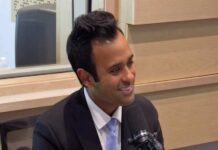

A Texas rally clip is fueling a high-stakes hypocrisy fight over voter registration and edited remarks in a Senate race that could tilt national power.
Story Highlights
- Rep. Brandon Gill compared James Talarico to Ken Paxton, centering on voter registration conduct and past remarks.
- Reporting shows both campaigns face questions about where they voted or claimed residence, with no criminal finding cited.
- Talarico says Paxton is using clipped comments to mislead voters and admits some past statements “missed the mark”.
- Massive outside spending may magnify selective clips over full records in this nationally watched race.
Gill’s Rally Comparison And The Claim Of Double Standards
On October 13 in Tyler, Representative Brandon Gill urged voters to help elect Ken Paxton to the United States Senate and attacked Democrat James Talarico’s record and past remarks. Two days later, a pro-Gill piece amplified a video clip and quoted Gill contrasting Paxton’s actions in office with Talarico’s statements and online history. The pitch was simple: Paxton “does the job,” while Talarico pretends past posts do not exist. That message speaks to voters tired of spin and selective memory in politics.
The sharp contrast fits a common campaign tactic: turn a narrow dispute into a character test. Gill tied together policy fights, past quotes, and a residency dispute to say Talarico plays by different rules than he demands of others. The risk is clear. When a claim mixes edited clips with complex legal questions, it can harden partisan views instead of clarifying facts. Voters who already feel the system protects insiders may see more theater than truth in this exchange.
The Residency Fight: What The Records Actually Show
Local reporting says Talarico voted in five elections using his parents’ address after buying a nearby home, a practice that may have violated state law depending on intent and presence. Earlier coverage also reported that Ken Paxton voted using an address where his estranged wife said he had not lived for two years, drawing similar questions about residence rules. Neither report cited a criminal charge or final legal ruling. That leaves room for attack ads but not a clear legal verdict either way.
Texas law treats residence for voting as a mix of where a person lives and what they intend, not just where they own property or get mail. Courts have long held that presence and intent must align to set residence. This standard can be murky in real life moves, separations, or temporary stays, which is why these cases often become political footballs rather than clean legal calls. The overlap allows each side to allege hypocrisy without proving fraud.
Talarico’s Response And The Question Of Edited Clips
James Talarico told a television host that Ken Paxton’s side is clipping his past comments and taking them out of context to paint a false picture. He also acknowledged that some of his prior statements were poorly judged, saying he “missed the mark” on some remarks. That response narrows the dispute. The fight is not only about what he said, but whether the edits change the meaning. Without full recordings and transcripts, the public must weigh two claims at once: poor wording and possible misrepresentation.
Brandon Gill RUTHLESSLY Compares James Talarico to Ken Paxton As Only HE Can and HOT DAAAMN (Watch) https://t.co/ut59glWmVl
— @wert (@SusanK21) October 15, 2026
Selective editing is not new in campaigns. It works because voters are busy and ad time is short. But it deepens distrust across the spectrum. People on the right and the left already believe powerful actors control the story. When campaigns push clips without full context, they feed that belief. Voters who want honest debate get highlight reels instead. That pattern makes many feel the system is designed to keep them in the dark rather than to inform them.
Money, Media, And Why This Story Keeps Growing
Major outside groups pledged more than fifty-one million dollars to boost Ken Paxton, with more from national allies, making this a top-tier race. Big money buys more airtime for clips and contrast ads. It also drowns out primary documents, long interviews, and careful fact checks. The result is a loop: simple claims rise, nuance falls, and undecided voters meet candidates through attack frames first. That helps define lesser-known figures faster, fairly or not.
For voters who want facts over heat, a few steps help. First, separate the legal claim from the moral claim. Residency questions here involve intent and presence, which take documents and timelines to judge. Second, ask for full videos and transcripts before accepting a viral line as a settled truth. Third, look for official records on lawsuits and settlements, not just talking points. These checks push back against a system that too often rewards noise over proof.
Sources:
twitchy.com, cbs19.tv, mediaite.com, votesee.org, click2houston.com, houstonpublicmedia.org
© dailychive.com 2026. All rights reserved.