
(DailyChive.com) – Minneapolis county prosecutors filed virtually no charges against anti-ICE protesters despite weeks of intense civil unrest that included property damage, disrupted schools, and widespread civil disobedience—a stunning gap in local law enforcement that raises serious questions about the priorities of Minnesota’s justice system.
Story Snapshot
- Hennepin County prosecutors filed minimal charges despite weeks of anti-ICE protests involving 50,000 demonstrators, school closures, and reports of violence and property damage
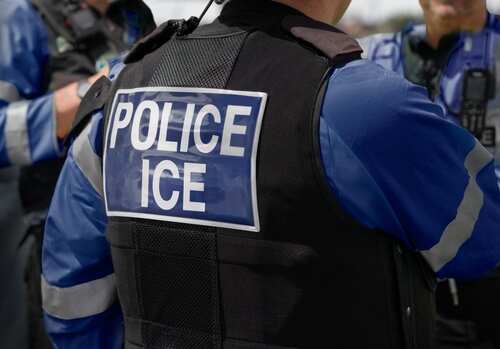
- Federal authorities arrested 3,000 individuals during Operation Metro Surge while local prosecutors remained largely silent on protest-related incidents
- The charging gap highlights stark tensions between Trump administration immigration enforcement and Minnesota’s resistance to federal authority
- Only a handful of protesters, including journalist Don Lemon and activist Georgia Fort, faced charges—primarily federal civil rights violations at a church protest
Local Prosecutors Remain Silent While Federal Enforcement Surges
Minneapolis county prosecutors filed virtually no charges against protesters during weeks of intensive anti-ICE demonstrations that began in December 2025 and escalated through February 2026. Federal authorities reported 3,000 arrests during Operation Metro Surge, yet Hennepin County prosecutors remained conspicuously absent from charging decisions related to the widespread civil unrest. The few charges that emerged targeted high-profile individuals including independent journalist Don Lemon and activist Georgia Fort, who faced federal civil rights violations for disrupting a church service where an ICE field director was speaking. This charging vacuum raises legitimate concerns about whether local prosecutors prioritized political sympathies over public safety and rule of law.
Unprecedented Civil Unrest Met With Prosecutorial Indifference
The scale of civil disruption was extraordinary by any measure. On January 23, 2026, approximately 50,000 people participated in what organizers described as the first general strike in the United States since the Taft-Hartley Act of 1947. Over 700 businesses closed in solidarity, and approximately 100 clergy members were arrested at Minneapolis-Saint Paul International Airport. Schools across Minneapolis, Fridley, and Columbia Heights closed after ICE agents were reported tackling individuals at Roosevelt High School and bomb threats targeted Columbia Heights Public Schools. Despite this widespread disruption to public order, commerce, and education, county prosecutors filed essentially no charges against participants.
Political Tensions Overshadow Law Enforcement Responsibility
Governor Tim Walz openly criticized ICE operations, calling a January 6 incident “bafoonery” and questioning the deployment of 50 agents to arrest one person at a library. Minnesota and the Twin Cities filed a federal lawsuit on January 12, 2026, arguing Operation Metro Surge violated state sovereignty under the Tenth Amendment. This open hostility between state officials and federal immigration enforcement created an environment where local prosecutors appeared unwilling to charge protesters regardless of alleged criminal conduct. The prosecutorial gap represents a troubling pattern where political alignment with anti-enforcement activism trumped the responsibility to maintain public order and prosecute violations of law.
Federal Charges Fill Vacuum Left By Local Inaction
The limited charges that materialized came primarily from federal authorities, not county prosecutors. Don Lemon and Georgia Fort faced federal civil rights charges under the FACE Act for their roles in disrupting a church service at Cities Church in St. Paul where an ICE field director was speaking. Both pleaded not guilty to the federal charges. The Trump administration’s Department of Homeland Security reported 3,000 arrests during Operation Metro Surge, focusing on individuals they characterized as criminal illegal aliens. Yet the absence of county-level charges for protest-related property damage, disruption, or violence creates a two-tiered justice system where federal enforcement proceeds while local prosecutors decline to act.
The charging disparity reflects fundamental tensions between federal immigration enforcement authority and state resistance that characterized this period. Two protesters, Renee Good and Alex Pretti, were killed during confrontations with federal agents on January 7 and January 24 respectively, intensifying public anger and mobilization. The 8th Circuit Court of Appeals ruled on January 21 that ICE could use force against peaceful protesters, establishing significant legal precedent. Throughout this period of unprecedented civil unrest, property damage, and public disruption, Minneapolis county prosecutors effectively abdicated their responsibility to enforce state and local laws, allowing political considerations to override the fundamental duty to maintain public order and equal application of justice.
Sources:
Minnesota ICE Operations Resistance Timeline – Evening Standard
2025-26 Minnesota ICE Deployment – Britannica
Operation Metro Surge – Wikipedia
2026 U.S. Immigration Enforcement Protests – Wikipedia
Minnesota ICE Surge Protests Shootings – KROC News
City Federal Response – Minneapolis Government
Copyright 2026, DailyChive.com