
(DailyChive.com) – Keir Starmer’s promise to stop “foreign agitators” from entering Britain ahead of a major populist rally is reigniting an old question with new urgency: who gets to decide which political voices are allowed to show up?
Quick Take
- UK Prime Minister Keir Starmer said his government would block foreign “far-right agitators” from traveling to Britain ahead of Tommy Robinson’s “Unite the Kingdom” rally in London.
- Reports from the weekend demonstration described a massive turnout, heavy policing, arrests, and clashes alongside a counter-protest presence.
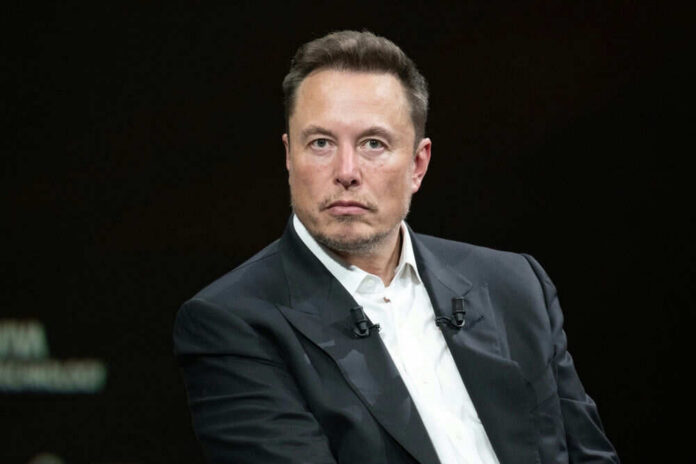
- Elon Musk appeared remotely during the rally, adding an international flashpoint and fueling calls from some quarters for sanctions or restrictions.
- Authorities have not publicly confirmed how many travelers were actually barred, leaving the vow’s real-world scope unclear.
Starmer’s border vow puts speech and security on a collision course
UK Prime Minister Keir Starmer pledged to prevent what he described as foreign “far-right agitators” from entering the country ahead of Tommy Robinson’s “Unite the Kingdom” demonstration in London. The government framed the move as a public-safety and anti-extremism measure, with the Home Office and police leadership focused on preventing violence. What remains less clear is the standard for exclusion and how broadly it will be applied in practice.
British officials followed up after the event with sharper rhetoric. In interviews cited by major UK coverage, Starmer condemned the rally’s tone and warned against ceding national symbols to extremist politics. That messaging may play well with voters who want disorder contained, but it also raises free-speech concerns familiar to Americans: when leaders label opponents “extremists,” the temptation grows to treat political dissent as a security problem instead of something to be debated.
A huge London rally, heavy police deployment, and disputed crowd size
Reports around Saturday’s demonstration described tens of thousands in central London, counter-protests by anti-racism activists, and a major police operation with more than 1,000 officers deployed. Coverage also referenced arrests and episodes of violence, though precise crowd numbers varied by outlet and retellings. The basic picture is consistent: a large, politically charged gathering required substantial law enforcement resources, underscoring how migration and national identity continue to drive street politics in the UK.
Tommy Robinson, a long-time anti-immigration activist and founder of the English Defence League, has built support for years by arguing that elites ignore border control and community cohesion. Starmer’s Labour government, elected in 2024, has prioritized cracking down on “far-right” activism, especially after prior waves of unrest. The immediate dilemma for a democratic society is real: preventing violence is legitimate, but preemptively restricting entry based on viewpoint can look like political gatekeeping.
Elon Musk’s cameo turns a British protest into a global proxy fight
Elon Musk’s remote appearance injected an international element into a domestic UK protest, amplifying the event far beyond London. Reports said Musk urged dramatic political action and criticized the UK’s leadership, prompting some voices to demand punitive measures. That escalation matters because it blends immigration politics, social-media influence, and state power into one dispute. Once governments start discussing sanctions or bans in response to speech, the line between security and censorship gets harder to defend.
What’s confirmed, what’s not, and why it resonates in the U.S.
Starmer’s vow to block foreign supporters is well documented, but public reporting has not conclusively shown how many people were stopped at the border or under what transparent criteria. That uncertainty leaves the public evaluating a principle more than an outcome: whether governments should preemptively restrict travel for political events based on ideological labels. For American readers wary of “deep state” behavior, the key issue is process—clear rules, due process, and equal enforcement—rather than whether one agrees with the rally’s message.
Keir Starmer vows to block foreign supporters from traveling to UK for Tommy Robinson's populist rallyhttps://t.co/BSJ5Govz4c
— Human Events (@HumanEvents) May 11, 2026
The broader trend is hard to miss across Western democracies: polarization pushes leaders to treat protests as legitimacy tests, while citizens increasingly suspect institutions are protecting themselves instead of serving the public. In the UK case, supporters see a government trying to prevent intimidation and disorder; critics see a state using border power to manage domestic politics. Either way, the episode signals that immigration-driven populism isn’t fading—and neither is the impulse of governments to tighten control when dissent gets loud.
Sources:
Independent: London protests latest
Independent: Starmer vows to block ‘far-right agitators’
WSWS: Britain’s largest far-right protest
Copyright 2026, DailyChive.com