

(DailyChive.com) – A Saudi prince, known as the “Sleeping Prince,” has passed away after spending two decades in a coma following a tragic car accident.
At a Glance
- Prince Al-Waleed bin Khaled bin Talal Al Saud remained in a coma for 20 years following a car accident.
- The prince’s father, Prince Khaled, remained hopeful for a miracle, refusing to withdraw life support.
- The prince’s death has led to public mourning and discussions on medical ethics.
- Funeral prayers are scheduled at Imam Turki bin Abdullah Mosque in Riyadh.
The Accident and Its Aftermath
In 2005, Prince Al-Waleed bin Khaled bin Talal Al Saud, then just 15 years old, was involved in a severe car accident in London. As the eldest son of Prince Khaled bin Talal Al Saud and the nephew of billionaire Prince Al-Waleed bin Talal, his accident drew significant attention. He was attending a military college in London at the time, a path many in the Saudi royal family have taken for education and training.
The accident resulted in catastrophic brain injuries and internal bleeding, leaving the young prince in a coma. Despite the grim prognosis, Prince Khaled, his father, refused to give up hope, maintaining faith in divine intervention and hoping for a miraculous recovery for his son. Over the years, the prince showed minimal physical responses, such as a viral video in 2020 where he seemed to lift his hand in response to a greeting.
A Father’s Unwavering Devotion
Prince Khaled became a symbol of parental devotion, never wavering in his decision to keep his son on life support. His public messages often quoted religious texts, expressing hope and faith in a miracle. The decision to continue life support for two decades underscores the deep cultural and religious influences on the family’s decisions.
The family’s resources and global connections ensured that some of the best medical experts from Saudi Arabia, the U.S., and Spain were involved in the prince’s care. This case has sparked discussions on the ethics of long-term life support, especially in cases where recovery seems unlikely. The prince’s prolonged state became a symbol of hope for some and a topic of debate for others.
The End of a Long Vigil
On July 19, 2025, Prince Khaled announced his son’s passing via social media, quoting the Quran and expressing profound grief. The announcement quickly gained traction, trending under the hashtag #SleepingPrince. This marks the end of a vigil that lasted two decades and captured the hearts and minds of many within Saudi Arabia and beyond.
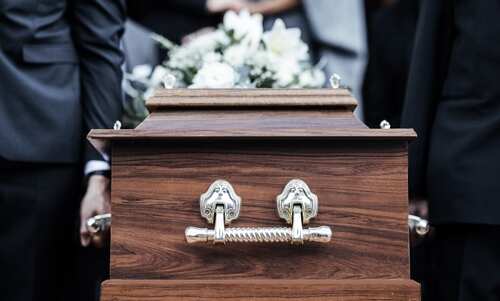
Funeral prayers are set to take place at Imam Turki bin Abdullah Mosque in Riyadh, with the royal family and the public paying their respects. The prince’s death has reignited discussions about medical ethics, the role of faith in medical decisions, and the allocation of resources for long-term care.
The Broader Implications
The prince’s case may influence future decisions within the royal family regarding medical care and the ethics of life support. It highlights the disparities in access to long-term medical care, as the prince’s treatment involved significant resources. Socially, it became a symbol of perseverance and faith for many Saudis, reflecting the complex interplay between medical advice, religious beliefs, and family wishes.
As the world reflects on the prince’s life and the extraordinary circumstances surrounding his long coma, the discourse on medical ethics and faith in medicine continues to evolve. While the family demonstrated unity and resilience, the case serves as a reminder of the profound and often challenging decisions that come with long-term care.
Copyright 2025, DailyChive.com