
Israel’s decision to pause planned strikes on Beirut at President Trump’s request shows Washington can still rein in a volatile Middle East — but only as long as terrorists and their backers believe American power and resolve are real.
Story Snapshot
- Israel reportedly postponed strikes on Beirut after a direct request from the United States, following President Trump’s claimed ceasefire breakthrough between Israel and Hezbollah.[1][3][4]
- Prime Minister Benjamin Netanyahu has kept the option of new strikes on Beirut on the table if Hezbollah resumes or escalates attacks on Israeli cities.[4]
- The pause is tactical and conditional, not a permanent restraint, as reports stress that operations were “postponed” or “halted,” not canceled.[1][2][6]
- Iran has responded to the Lebanon battlefield and U.S. diplomacy by pausing talks with Washington, tying its nuclear leverage to conflict around Israel.[5][7]
Trump’s Call, Israel’s Pause, And What It Really Signals
Following President Donald Trump’s announcement of a new ceasefire understanding between Israel and Hezbollah, an Israeli source told Ynet that planned strikes on Beirut were postponed at the request of the United States.[1] The Times of Israel reported that the attack had already been coordinated with American officials, underscoring that Washington was not blindsided but chose to apply the brakes for now.[1] Turkish outlet Anadolu likewise said Israel agreed to halt strikes on Beirut at United States request ahead of anticipated talks, citing Israeli diplomatic sources.[2] Together these accounts describe a pause shaped by American pressure and coordination, not an Israeli retreat, and they confirm that the Trump administration is actively managing escalation rather than leaving Israel exposed or unconsulted.[1][2]
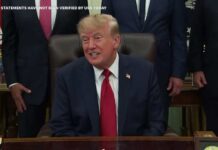
President Trump, speaking publicly, claimed that after a call with Prime Minister Benjamin Netanyahu and indirect contacts with Hezbollah, “all shooting will stop” and that any Israeli troops heading toward Beirut had been pulled back.[3][4][6] Broadcasters covering his remarks noted that no prior plan to send ground troops into Beirut had been disclosed, but there was a clearly declared intention to bomb targets in the city’s southern suburbs.[4][6] Trump framed the outcome as a truce in which Hezbollah would halt attacks on Israel in exchange for Israel pausing strikes on Beirut and southern Lebanon, a deal reportedly confirmed in principle by Lebanon’s embassy in Washington.[3][4] For conservatives who remember years of empty “red lines,” the contrast is striking: instead of hand-wringing, the White House is using leverage with both Israel and its enemies to stop an immediate clash while keeping pressure on terror sponsors.[3][4]
Netanyahu’s Conditional Restraint And The Tactical Nature Of The Pause
Reports from international outlets make clear that Netanyahu did not give Hezbollah or Iran a veto over Israeli self-defense.[1][4][6] Coverage of his statements notes he had explicitly instructed the Israeli military to strike “terror targets in Beirut” and warned that Beirut would remain at risk if Hezbollah continued to fire on Israeli cities.[4][6] Channel 4 and other broadcasters emphasized that the halt in strikes was described as a delay or pause, not a cancellation, meaning operational plans stay on the shelf, ready to be executed if Hezbollah escalates again.[4][6] That conditional framework matters: it signals to Hezbollah that any renewed rocket fire or drone attacks could immediately bring Israeli fire back onto command centers in Beirut’s suburbs, even as Washington tries to lock in short-term calm.[1][4][6] For readers worried that American diplomacy might tie Israel’s hands, the record so far shows a more sober reality — a tactical timeout, not a strategic disarmament.[1][2][4][6]
Outside commentators hostile to Israel have tried to frame the pause as proof that the United States is “backing” a so‑called genocidal campaign in Lebanon, even urging activists to “stop Israel’s United States‑backed assault.” Yet that rhetoric ignores the central fact that the very news hook here is Washington asking Jerusalem to hold fire over Beirut while it pushes a ceasefire track.[1][2] The Anadolu report quoted an Israeli diplomatic source saying Israel did not see “significant military targets inside Beirut at this stage,” another indicator that the pause reflects battlefield assessment as well as American diplomacy.[2] From a conservative standpoint, that looks like what responsible alliance management should be: standing firmly with Israel’s right to crush terrorists, while avoiding strikes that bring little military gain but risk pulling Iran and others into a wider war.[1][2]
Iran’s Gambit, Hezbollah’s Leverage, And U.S. Power In The Background
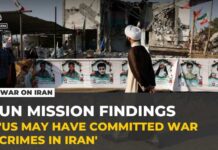
Iran has moved quickly to weaponize the Lebanon front in its dealings with Washington. American and international coverage reports that Iranian negotiators paused communications with the United States, citing ongoing Israeli strikes into Lebanon.[5][7] State-linked media in Tehran have also talked up threats to block the Strait of Hormuz, using energy blackmail as a familiar pressure tactic.[5] At the same time, Trump has said that a deal with Iran was largely negotiated but that he has sent changes demanding Tehran never obtain a nuclear weapon, surrender remaining enriched uranium, and reopen the strait to global commerce.[5] That blend of pressure and conditions reflects a core conservative instinct: peace through strength, not appeasement.[5][7]
Trump personally announced an Israel-Hezbollah ceasefire — hours after Netanyahu’s strikes on Beirut. He wants the credit.
The peacemaker brand, a long-coveted Nobel, and US-Iran talks nearing an endgame all pushed him to hit pause.
The cost? A trailing Netanyahu cast as a… pic.twitter.com/83sgMZXNTo
— The future is unknown (@ricnjun) June 2, 2026
This limited pause over Beirut also fits a broader pattern of short, conditional truces in the Israel–Hezbollah confrontation. Analysts note that multiple United States‑brokered pauses and ceasefires have been announced and extended in recent months, often fraying as fighters test the lines.[7] The Times of Israel live coverage suggested that one reason Israel publicly signaled a strike order was to pressure Hezbollah toward accepting a ceasefire, then allowed Washington to “call time” once negotiations gained traction.[1] For American conservatives, the key is ensuring such deals never come at the cost of Israel’s survival or United States deterrence. So far, the Beirut episode underscores three truths: Trump is willing to lean on allies and enemies alike, Israel will not forfeit its right to hit terror hubs when needed, and Iran is still probing for weakness as it ties nuclear talks to attacks on the Jewish state.[1][3][5][7]
Sources:
[1] Web – Israel Says It’s Holding Off On Striking Beirut After U.S. Request
[2] Web – Benjamin Netanyahu orders Beirut strikes as Hezbollah-Israel …
[3] YouTube – Israel-Lebanon War: Netanyahu Warns Of Fresh Strikes On Beirut …
[4] Web – Israel Strikes Beirut for the First Time Since Ceasefire Announcement
[5] YouTube – Israel escalates attacks in Lebanon with strikes ordered on Beirut
[6] Web – 8 April 2026 Israeli attacks on Lebanon – Wikipedia
[7] YouTube – Israel Strikes Beirut: Netanyahu Orders Attacks After Hezbollah’s …
© dailychive.com 2026. All rights reserved.