

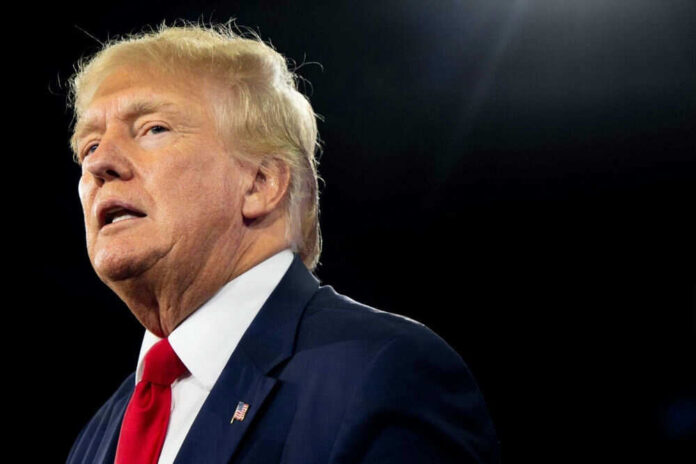
(DailyChive.com) – Tensions erupt across the conservative movement as President Trump defends Tucker Carlson’s right to interview controversial figures, igniting fierce debate over free speech and the boundaries of public discourse.
Story Snapshot
- President Trump stands by Tucker Carlson’s editorial freedom after Carlson’s interview with far-right activist Nick Fuentes triggers backlash.
- The incident exposes deep divisions within the conservative movement regarding platforming extremist voices.
- Major institutions like the Heritage Foundation are drawn into the controversy, reflecting broader debates over free speech and movement credibility.
- Trump emphasizes that Americans must decide for themselves, spotlighting key conservative values of individual liberty and personal responsibility.
Trump’s Defense of Editorial Independence Amid Backlash
On November 17, 2025, President Trump publicly defended Tucker Carlson following Carlson’s interview with Nick Fuentes, a figure widely recognized for extremist, antisemitic, and white nationalist rhetoric. Trump stressed that Carlson should be free to interview whomever he chooses, stating, “You can’t tell him who to interview… people have to decide.” This response came as backlash mounted both within conservative circles and across the broader public, with many questioning the appropriateness of giving Fuentes such a platform. Trump’s stance reinforces core conservative principles, namely, protection of free speech and editorial independence, even in the face of controversial content.
Trump’s remarks echo the frustrations of conservatives who have long battled against perceived censorship and media bias. Supporters view Carlson’s right to choose his interview subjects as a victory for individual liberty and the free exchange of ideas, even when those ideas provoke strong reactions. The incident also highlights internal divisions among Republicans, with some warning that platforming figures like Fuentes risks undermining the movement’s credibility and alienating key constituencies. Others argue that open debate is essential to maintaining a vibrant, constitutionally grounded public discourse, regardless of the controversy stirred by certain voices.
Conservative Institutions Confront Ideological Boundaries
Major conservative institutions, notably the Heritage Foundation, have found themselves at the center of the debate following their leadership’s public defense of Carlson’s editorial choices. The Foundation’s stance sparked internal dissent, making clear the ongoing struggle within the movement to define the limits of acceptable speech and association. This episode reflects a broader tension faced by grassroots activists, donors, and think tank leaders as they weigh the principles of free expression against the reputational risks of engaging with fringe figures. The controversy serves as a litmus test for the movement’s commitment to foundational values while navigating the dangers of normalization or further marginalization of extremist rhetoric.
Institutional leaders are increasingly pressured to balance reputation with principle. The Heritage Foundation’s decision to support Carlson’s autonomy has led to heated discussions about the role of conservative organizations in shaping movement direction. Some argue that defending free speech, even when unpopular, is vital to resisting government overreach and preserving constitutional rights. Others contend that tolerating extremist voices threatens to erode family values and the moral fabric of the movement, fueling donor concerns and potential backlash from moderate supporters. The debate underscores the ongoing reassessment of policies regarding engagement with controversial figures.
Impact and Long-term Implications for the Conservative Movement
In the short term, the Carlson-Fuentes interview and Trump’s subsequent defense have intensified polarization within conservative ranks, prompting heightened media scrutiny and reputational risks for all parties involved. The episode has brought to the forefront critical questions about the boundaries of discourse and the responsibilities of influential media personalities. Over the long term, the incident may catalyze shifts in conservative media norms, force a realignment of movement boundaries, and shape ongoing debates about free speech and acceptable engagement within the Republican Party.
These developments have broader economic, social, and political ramifications. Conservative institutions and outlets face both internal and external criticism, while donors and community leaders reassess their support based on institutional responses. Minority communities have voiced concerns about the normalization of extremist rhetoric, while the general public remains exposed to heated debates on platforming and free speech. As the dust settles, the conservative movement must confront the challenge of upholding traditional values and constitutional principles without enabling the mainstreaming of fringe or dangerous ideas.
Copyright 2025, DailyChive.com