

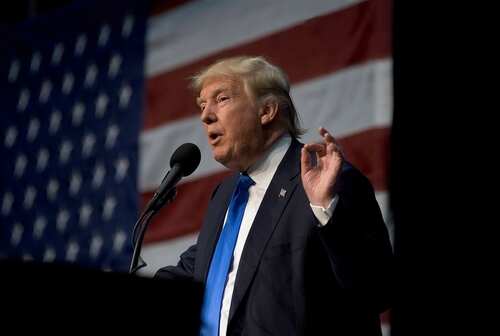
(DailyChive.com) – Could the death penalty for fentanyl traffickers finally become a reality in China? President Trump seems to think so.
At a Glance
- President Trump claims China may soon impose the death penalty for fentanyl traffickers.
- The US-China relationship is under strain due to ongoing trade disputes and drug trafficking issues.
- Fentanyl, primarily sourced from China, has fueled a devastating opioid crisis in the US.
- Trump’s statements are part of broader negotiations with China to curb the synthetic opioid supply.
Trump’s Bold Claims on Fentanyl Trafficking
President Trump has announced that China may be on the verge of imposing the death penalty for those involved in the manufacturing and distribution of fentanyl. This news comes amid ongoing negotiations between the US and China, as Trump seeks stricter penalties for fentanyl traffickers. Fentanyl, a deadly synthetic opioid, has been a significant factor in the opioid epidemic that has ravaged the United States, claiming thousands of lives each year.
During his first term, Trump pressured China to regulate fentanyl production, leading to a 2019 agreement to classify all fentanyl-related substances as controlled. However, enforcement and illicit exports have continued to be problematic. Now, with Trump back in the White House, he’s taking a hardline approach, linking the imposition of tariffs on Chinese goods to the ongoing influx of fentanyl as a national emergency.
US-China Relations at a Crossroads
The US-China relationship has been fraught with tension due to various issues, including trade disputes, human rights concerns, and accusations of inadequate action on drug trafficking. Trump’s recent statements about the death penalty for fentanyl traffickers add another layer of complexity to this already strained relationship. Chinese officials have responded by framing fentanyl abuse as primarily a US domestic problem, indicating a reluctance to accept full responsibility or adopt US-preferred measures.
No official confirmation has come from the Chinese government regarding the adoption of the death penalty specifically for fentanyl trafficking as of July 17, 2025. This lack of confirmation highlights the ongoing diplomatic engagement and the absence of a finalized agreement. Despite the uncertainty, Trump remains optimistic about reaching a deal that would see China take stricter action against fentanyl traffickers.
Impact on the Global Stage
If China were to impose the death penalty for fentanyl trafficking, it could lead to a shift in global drug trafficking routes, as traffickers seek safer havens for their operations. Such a move could also impact US-China trade relations, with potential economic repercussions for both countries. However, the effectiveness of harsher penalties in reducing fentanyl flows remains uncertain without comprehensive enforcement and international cooperation.
US communities continue to suffer from the devastating effects of opioid addiction and overdose deaths. The Chinese chemical industry, a major producer and exporter of fentanyl and its precursors, may face increased scrutiny and regulation if harsher penalties are imposed. The international law enforcement and public health organizations will closely monitor any changes in cross-border drug flows, as they work to combat the ongoing opioid crisis.
The Path Forward
Experts have long debated the effectiveness of harsh penalties, such as the death penalty, in deterring drug trafficking. Many argue that enforcement alone is insufficient without addressing demand and addiction treatment. While Trump’s statements may be part of a broader strategy to pressure China, focusing solely on supply-side measures might not yield significant reductions in overdose deaths without parallel efforts on prevention and treatment.
As negotiations continue, the world watches to see if China will take the drastic step of imposing the death penalty for fentanyl traffickers. For now, the issue remains a significant point of contention in US-China relations, with the potential for both short-term diplomatic tension and long-term shifts in the global drug trade landscape.
Copyright 2025, DailyChive.com