
(DailyChive.com) – Amid escalating Iranian protests, Crown Prince Reza Pahlavi’s calls for peaceful transition are misinterpreted as a declaration of civil war.
Story Highlights
- Reza Pahlavi calls for non-violent protests, not civil war.
- Protests against the Iranian regime are the largest since 1979.
- Over 2,000 reported killed in recent crackdowns.
- US President Trump expresses support for Iranian protesters.
Iran’s Largest Protests Since 1979
Since late December 2025, Iran has been engulfed in massive protests against the Islamic Republic, with citizens demanding change amidst economic turmoil and governmental repression. These demonstrations have reached a scale not witnessed since the 1979 Revolution. Supreme Leader Ali Khamenei has responded with aggressive crackdowns, resulting in over 2,000 deaths within 48 hours as of January 10, 2026, according to reports from Iran International. The regime’s harsh response includes internet blackouts and the labeling of protesters as “terrorists.”
Reza Pahlavi’s Role in the Protests
Reza Pahlavi, the Crown Prince of Iran, has emerged as a symbolic leader amid these protests. However, contrary to some speculative claims, he has not declared a civil war. Instead, Pahlavi has been advocating for disciplined protests and a national referendum, emphasizing a peaceful transition toward restoring monarchy and popular rule. His calls for strikes and public chants have resonated with many Iranians, but they are framed within the context of non-violent resistance.
International Reactions and Trump’s Support
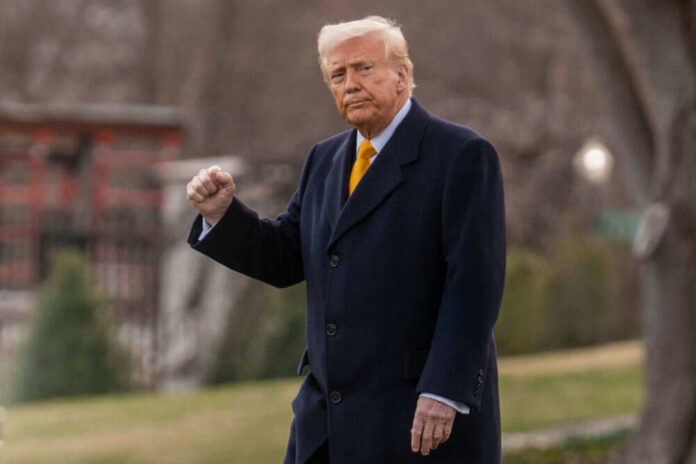
President Donald Trump has publicly supported the Iranian protesters, urging them to “KEEP PROTESTING – TAKE OVER YOUR INSTITUTIONS!!!” This external encouragement comes as the US monitors the situation closely, with discussions on potential strikes but no concrete actions yet. Meanwhile, Iran’s government accuses the US and Israel of inciting the unrest as part of a broader geopolitical ploy to destabilize the region. The international community watches closely as the situation develops, with potential implications for Middle East stability and nuclear negotiations.
Despite the crackdown, the protests continue to gain momentum, highlighting the deep-seated dissatisfaction among Iranians with the current regime. As the regime intensifies its efforts to suppress dissent, the possibility of significant political change looms on the horizon.
Stakeholders like the Iranian Revolutionary Guard Corps (IRGC) and Basij remain crucial in executing the government’s oppressive measures. However, defections within these forces could alter Iran’s political landscape dramatically, potentially leading to a regime collapse or a more organized push for reform. The future of Iran remains uncertain, but the determination of its people for change is unmistakable.
Sources:
2025–2026 Iranian protests – Wikipedia
Iran Update January 10, 2026 – ISW
Defeating Dictatorship and Resisting Imperial Interference – People’s World
Coming Soon: The Iran Civil War of 2026 – AEI
Iran’s December 2025-January 2026 Protest Wave – Miaan Group
Copyright 2026, DailyChive.com