
(DailyChive.com) – Europe is being forced to take primary responsibility for Ukraine’s security as the Trump administration signals the end of endless American military commitments, a move that has globalists and entrenched bureaucrats scrambling.
Story Highlights
- The Trump administration has declared that Europe must lead on Ukraine’s defense, with U.S. support limited to cases of absolute necessity.
- Vice President JD Vance’s public statements mark a clear shift away from costly U.S. entanglement in overseas conflicts.
- European governments now face pressure to increase military spending and assume the security burden in their own backyard.
- This recalibration reflects longstanding conservative frustration with globalist overreach and excessive foreign aid.
Trump Administration Resets U.S. Role in European Security
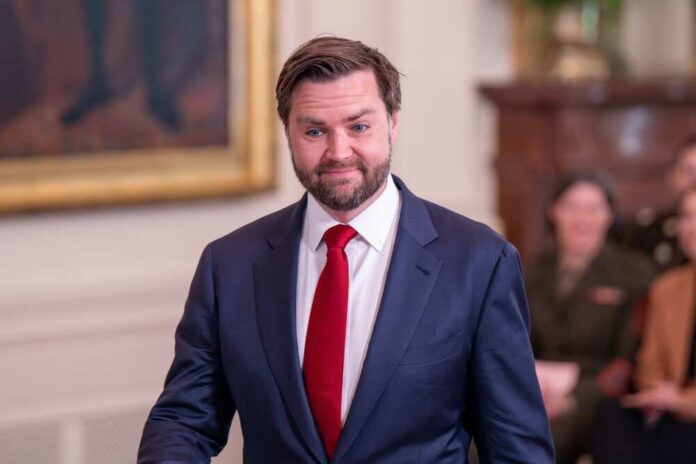
At the February 2025 Munich Security Conference, Vice President JD Vance made it unmistakably clear: the days of America endlessly underwriting European defense are over. Vance’s remarks, delivered before an assembly of European leaders and policymakers, emphasized that Europe must assume the “lion’s share” of responsibility for Ukraine’s security. This message was not a mere suggestion, but a direct policy declaration from President Trump’s White House, reflecting a deep-rooted conservative belief in focusing American resources on domestic priorities and ending the cycle of foreign dependency. For many Americans, especially those who have watched years of taxpayer dollars flow overseas while domestic needs go unmet, this shift delivers on a long-promised America First agenda.
Vance’s speech drew a sharp line in the sand: the United States would only intervene in Ukraine if absolutely necessary. The Trump administration’s refusal to send U.S. troops to Ukraine and its insistence that Europe step up mark a dramatic recalibration of transatlantic burden-sharing. This approach is firmly rooted in the administration’s view that previous globalist policies, championed by left-leaning elites, have left the U.S. overextended and vulnerable, undermining both fiscal stability and national security. Trump’s team argues that this new course restores constitutional principles by ending the blank-check mentality that has defined American foreign policy for decades.
Europe Under Pressure to Fill the Security Gap
European governments, already dealing with internal political turmoil and budgetary constraints, now face the urgent task of coordinating and funding Ukraine’s defense. The Trump administration’s stance has triggered heated debates within the European Union about how to meet these new expectations. Some European leaders have called for increased defense spending, but deep divisions remain. For frontline NATO states, especially in Eastern Europe, the prospect of diminished U.S. involvement raises serious concerns about their security in the face of ongoing Russian aggression. Meanwhile, Ukraine, heavily reliant on Western support, finds its future increasingly tied to Europe’s ability and willingness to deliver tangible aid.
This policy adjustment comes at a time when Europe is grappling with its own democratic challenges and rising populist movements. The U.S. withdrawal of unconditional support puts the onus squarely on European nations to decide whether they are prepared to defend their own continent without relying on endless American military and financial backing. This shift has exposed underlying tensions within NATO and among EU member states, as some push for greater autonomy while others remain wary of shouldering the full burden of regional security.
Conservative Values Drive Policy Shift, Rejecting Globalist Agendas
The Trump administration’s approach reflects longstanding conservative frustrations with globalist overreach, government overspending, and policies that neglect the American people in favor of endless foreign interventions. By demanding that Europe take primary responsibility for Ukraine, the administration is asserting the principle of national sovereignty and restoring the constitutional balance between Congress’s war-making powers and the executive branch’s authority. This move directly challenges the left’s legacy of foreign entanglements, which many conservatives see as eroding U.S. strength, draining resources, and undermining the country’s founding values.
Policy experts and commentators note that the administration’s position is consistent with its earlier calls to restrain U.S. military commitments and prioritize the well-being of American families. While critics warn of potential risks, such as a security vacuum in Europe or emboldened Russian aggression, supporters argue that this is an overdue correction to a broken system. If Europe cannot or will not meet these new expectations, the Trump administration has made clear that American intervention will be limited, targeted, and driven by necessity, not by the dictates of globalist institutions or foreign lobbies.
Long-Term Impact: Autonomy for Europe, Accountability at Home
This recalibration of U.S. policy stands to reshape the transatlantic alliance for years to come. In the short term, European nations must quickly adapt to their new responsibilities; any failure to do so could leave Ukraine vulnerable and destabilize the region. In the long term, the policy could spur overdue European defense reforms and reduce U.S. exposure to costly, open-ended conflicts. For American conservatives, this marks a victory for common sense, fiscal responsibility, and the restoration of constitutional government. The Trump administration’s stance sends a clear signal: America’s days as the world’s policeman are over, and it’s time for allies to step up and defend their own interests.
While some uncertainties remain about Europe’s capacity to meet these expectations, the Trump administration’s message is unwavering, no more blank checks, no more endless wars, and no more sacrificing American priorities on the altar of globalist ambitions. This is the foreign policy reset that many frustrated Americans have demanded for years, and now it’s becoming reality.
Copyright 2025, DailyChive.com