
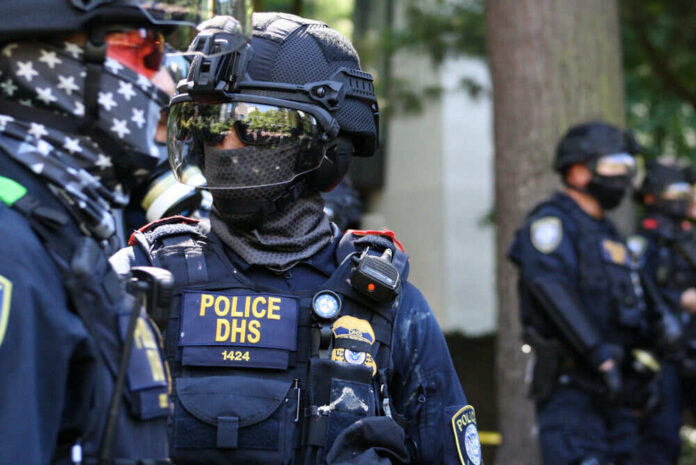
(DailyChive.com) – After a string of high-profile DHS shootings, the real scandal isn’t just what happened in Minneapolis—it’s how quickly Washington pushed “domestic terrorism” narratives before the facts were in.
Quick Take
- Videos and witness accounts in multiple cases clashed with DHS’s rapid public claims about “self-defense” and “domestic terrorism.”
- Renee Good, a U.S. citizen, was killed during an ICE operation in Minneapolis; DHS said she “weaponized” her vehicle, while local officials disputed key details.
- Alex Pretti was later killed in Minneapolis; federal statements claimed he approached with a gun, but reporting cited video showing a more complicated scene.
- DOJ opened a civil rights probe into the Pretti shooting, with the FBI leading the investigation rather than DHS.
- President Trump fired DHS Secretary Kristi Noem, but available reporting does not show that disputed shooting statements were the stated reason.
Minneapolis Becomes the Flashpoint for a Federal Credibility Problem
Federal immigration enforcement surged after Trump’s return to office, colliding with “sanctuary” politics in cities like Minneapolis. That friction turned explosive on Jan. 7, 2026, when an ICE agent shot and killed Renee Good, a U.S. citizen. DHS put out a statement within hours describing the incident as “domestic terrorism” and claiming Good “weaponized” her vehicle. Minneapolis officials later challenged key elements, including the severity of any officer injuries.
Kristi Noem amplified the initial framing during local media appearances the same day, describing the shooting as self-defense and alleging Good harassed agents and struck one with her vehicle. This kind of instant certainty may play well in a news cycle built for outrage, but it can also backfire when video, bodycam footage, or independent witnesses tell a different story. For law-abiding Americans who want both secure borders and accountable government, credibility matters as much as enforcement.
Rapid “Terrorism” Labels Collide With Video and Oversight Demands
A separate Minneapolis shooting soon added fuel to the controversy. After Alex Pretti was fatally shot, DHS again issued a fast public account saying he approached officers with a handgun. Subsequent reporting cited video evidence suggesting a more chaotic situation than the initial narrative implied, and Noem later adjusted her public tone. When officials describe deadly force as clear-cut before investigations are complete, they risk undermining lawful enforcement by making the government look like it is managing headlines, not facts.
Congressional scrutiny followed quickly. A letter from Rep. Lois Frankel pressed for preservation and production of evidence in the Good shooting, including bodycam footage, and highlighted discrepancies between federal statements and local accounts. That kind of oversight is not anti-law-enforcement by itself; it is a constitutional check the public expects when deadly force is used, especially by federal agencies operating in tense environments. The more airtight and transparent the evidence, the harder it is for activists to distort events.
DOJ and FBI Step In, Signaling the Stakes Are Higher Than PR
The Department of Justice opened a civil rights investigation into the Pretti shooting, and reporting indicated the FBI took a lead role—an important shift from relying only on internal DHS channels. Deputy Attorney General Todd Blanche cautioned against drawing conclusions from a single video, reflecting a real investigative challenge: short clips can be misleading without context, audio, or corroboration. Even so, the move to an outside investigative lead shows the administration understands public confidence can’t be rebuilt with press releases.
Noem’s Firing Raises Questions, But Proof of Motive Is Limited
Noem was ultimately fired by President Trump, and social media and news coverage swirled with competing explanations. The most detailed reporting available in the provided research suggests her disputed public accounts of shootings were not shown to be the driving factor behind Trump’s decision, meaning other internal performance or political considerations may have dominated. Without a definitive public rationale tying the dismissal to those statements, it remains difficult to treat the firing as a direct accountability measure for messaging errors.
Kristi Noem's lies about DHS shootings don't seem to have figured in Trump's decision to fire her. Trump himself falsely portrayed Renée Good and Alex Pretti as would-be murderers, and he did not seem troubled by Noem's description of them. https://t.co/1LdgErHj2U
— Jacob Sullum (@jacobsullum) March 6, 2026
What can be said from the evidence cited is that a pattern of fast, definitive claims—especially “domestic terrorism” language—created unnecessary vulnerability for DHS during a period when immigration enforcement is already a national flashpoint. Conservatives who demand secure borders also tend to demand clean process: disciplined statements, evidence preservation, and investigations that can withstand scrutiny in court and before Congress. If those standards slip, the result is predictable—more distrust, more litigation risk, and less public support for legitimate enforcement.
Sources:
Former officials say DHS tactics undermine public trust after shootings
ICE shooting investigation letter (Rep. Lois Frankel)
Copyright 2026, DailyChive.com