(DailyChive.com) – A London street confrontation between an Iranian refugee and an anti-war protester captured something rare in our polarized age: a mind actually changed, a sign literally lowered, and tears flowing where smirks once sat.
Story Snapshot
- Iranian refugee Niaz Abadani confronted a London protester holding a “Stop bombing Iran” sign during March 28, 2026 demonstrations against President Trump’s military actions
- Abadani challenged the protester with her personal testimony of 47 years of regime oppression, imprisonment, and exile, asking why she supported a terrorist regime
- The protester, initially smirking, was moved to tears, admitted ignorance of Iran’s realities, lowered her sign, and vowed never to carry it again
- The viral video sparked debate about Western activists’ understanding of Iranian oppression and highlighted voices from the diaspora supporting regime change
When Reality Crashes the Protest
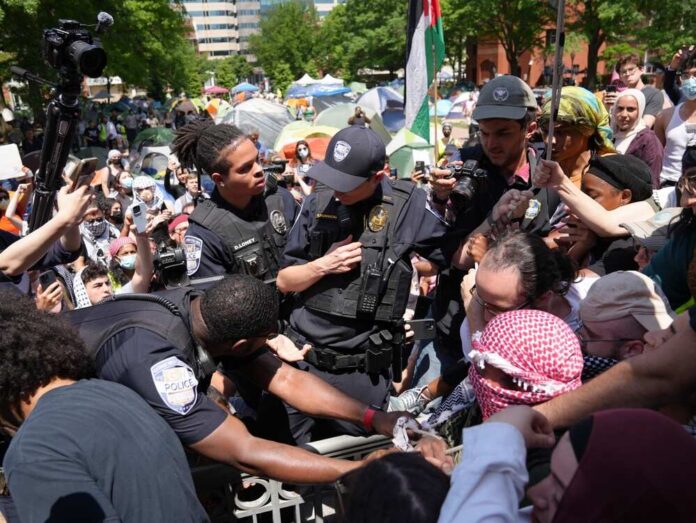
The “No Kings” protests swept through London on March 28, 2026, as demonstrators rallied against President Trump’s “Operation Epic Fury” bombing campaign in Iran. Amid the sea of signs and chants, one protester stood confidently with her message: “Stop bombing Iran.” She had no way of knowing that Niaz Abadani, an Iranian refugee and journalist, was approaching. What happened next defied the typical script of protest confrontations, where shouting matches end with both sides more entrenched than before.
Abadani brought something the protester had never encountered at her well-meaning demonstrations: lived experience under the very regime she was defending. The journalist recounted her imprisonment, her flight as a refugee, and the painful reality that she cannot visit her father’s grave because of the government this Western activist sought to protect from bombs. The confrontation laid bare a uncomfortable truth about much Western activism regarding Iran—it often operates in a vacuum, insulated from the voices of those who actually suffered under the mullahs’ rule.
Forty-Seven Years of Oppression Versus One Sign
Abadani’s reference to 47 years of oppression traces directly to 1979, when Ayatollah Khomeini’s Islamic Revolution transformed Iran into a theocratic state. Since then, women have faced mandatory hijab laws, restricted freedoms, and brutal enforcement of Sharia law. The 2022 death of Mahsa Amini in morality police custody sparked global attention, but for Iranians like Abadani, such tragedies represent decades of systematic brutality, not isolated incidents. Her personal story of imprisonment adds weight that no academic analysis could match.
The protester’s sign collapsed under this weight of reality. Abadani delivered perhaps her most provocative claim: she maintains contact with Iranian youth who are asking to be bombed, preferring foreign intervention to continued oppression. This assertion, while unverified beyond her testimony, challenges the simplistic anti-war narrative that assumes all Iranians oppose American military action. The complexity of Iranian public opinion, especially among younger generations desperate for change, rarely penetrates Western protest movements focused on opposing Trump rather than understanding Iran.
The Transformation Captured on Camera
Video evidence shows the protester’s journey from defensive smirking to genuine emotional breakdown. The footage went viral by March 30, 2026, precisely because it contradicted expectations. Protest confrontations typically reinforce existing beliefs, with each side walking away convinced of their righteousness. This protester instead admitted ignorance, acknowledged she had never truly understood what Iranians endure, and committed to abandoning her sign. The two women embraced, crying together in a moment that transcended political theater.
Abadani later expressed joy at the breakthrough, attributing the protester’s change of heart to simple unawareness rather than malice. This charitable interpretation matters. The incident reveals how Western activists, insulated by distance and comfortable in their moral certainty, can inadvertently support oppressive regimes while believing they champion peace. The protester’s willingness to reconsider demonstrates that some minds remain open to persuasion when confronted with undeniable human testimony rather than abstract political arguments.
The Larger Battle for Narrative Control
Conservative media seized on the video as evidence of liberal hypocrisy and ignorance regarding Iran’s theocratic dictatorship. The framing emphasizes a recurring pattern: Western leftists opposing American military action while remaining conveniently silent about or actively defending regimes far worse than any Western leader they label a tyrant. The Iranian diaspora has grown increasingly frustrated with this dynamic, particularly when protesters claim to speak for Iranian interests while ignoring actual Iranian voices requesting intervention.
The viral spread of this confrontation amplifies a perspective often drowned out in anti-war demonstrations. Iranian refugees and dissidents watching from abroad see their lived trauma weaponized by activists who have never faced a morality police beating or watched family members imprisoned for removing a headscarf. The emotional authenticity of Abadani’s testimony cuts through the sanitized slogans, forcing uncomfortable questions about who actually speaks for the Iranian people and what they truly want from the West.
Sources:
Watch: Viral Video of Iranian Woman Confronting Anti-War Protester and the Amazing Result – RedState
Copyright 2026, DailyChive.com