
(DailyChive.com) – A top counterterrorism official’s resignation over the Iran war has now collided with a White House effort to root out suspected leakers inside the national security apparatus.
Story Snapshot
- National Counterterrorism Center Director Joe Kent resigned March 17, 2026, publicly disputing the case for war with Iran.
- The White House rejected Kent’s claims and portrayed him as a security risk, with reports he had been sidelined from briefings due to leak suspicions.
- DNI Tulsi Gabbard reportedly declined earlier pressure to fire Kent, highlighting internal friction as the Iran conflict entered its third week.
- Administration allies and congressional leaders publicly defended the threat rationale, while anti-intervention voices seized on Kent’s exit.
Kent’s Resignation Puts the Iran War Debate Inside the White House
Joe Kent resigned as Director of the National Counterterrorism Center on March 17, 2026, after publicly criticizing the Trump administration’s war posture toward Iran. Kent, a veteran and former CIA officer who served as a key adviser under Director of National Intelligence Tulsi Gabbard, argued the conflict was pushed despite what he described as no imminent threat to the United States. The resignation immediately became a test of how the administration handles dissent during an active conflict.
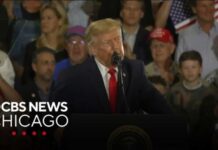
White House press messaging moved quickly to counter Kent’s narrative. Press Secretary Karoline Leavitt publicly disputed his claims and emphasized that President Trump is the ultimate decision-maker on threat assessments. Public reporting also described Trump as calling Kent “a nice guy” while criticizing him as “weak on security.” The administration’s response framed the episode less as a policy disagreement and more as a question of reliability and discipline inside national security leadership.
Leak Allegations and Briefing Access: What’s Confirmed vs. What’s Unclear
Multiple reports said Kent had been excluded from certain presidential intelligence briefings months before his resignation because officials suspected him of leaking. That detail matters because it suggests the resignation did not occur in a vacuum; Kent was reportedly already on the margins of Iran-related discussions. However, public information remains limited on the scope of any “leaker probe,” including whether there is a formal investigation or which agencies are leading it. ODNI did not provide a public response in the reporting cited.
From a constitutional and governance standpoint, leak crackdowns can cut two ways. Targeted enforcement against unauthorized disclosures protects classified information and the safety of troops, sources, and methods. At the same time, internal “loyalty tests” can become a blunt instrument if they are used to sideline legitimate dissent or debate, especially when the stakes involve war powers and long-term national commitments. The available reporting does not establish the process being used, only the allegation that Kent was treated as a suspected leaker.
Gabbard’s Role Shows Tension Between Intelligence Leadership and Political Pressure
DNI Tulsi Gabbard’s position is central because reports said the White House urged her to fire Kent before his resignation, and she declined. That refusal suggests a real dispute about management and trust at the highest levels of intelligence oversight, even with Trump as commander in chief. For conservatives who remember years of politicized intelligence fights—Russia-collusion claims, censorship pressure, and “experts” shaping narratives—this kind of internal power struggle raises a basic question: who is trusted to present unvarnished assessments when decisions get urgent?
Kent’s stated rationale also sharpened a long-running debate inside the coalition that elected Trump: “America First” restraint versus the pull of foreign crises. Public reporting described Kent as warning about information “echo chambers” and parallels to prior Middle East interventions. Meanwhile, administration defenders and key lawmakers pointed to briefings that they said supported an imminent threat case tied to Iran’s capabilities. The contradiction is unresolved in public evidence, leaving citizens to weigh competing claims without full visibility into classified intelligence.
Political Fallout: Hawks, Restraint Voices, and a New Messaging Battlefield
Kent’s resignation quickly became political ammunition across factions. Some Republican hawks and congressional leaders defended the administration’s threat justification, while anti-war figures highlighted Kent as proof of internal alarm. Public reporting also noted accusations and counter-accusations about motives and rhetoric, underscoring how quickly foreign policy disagreements become character fights in modern Washington. That dynamic can make it harder for voters to separate two issues: whether the war rationale is sound, and whether internal security procedures are being applied fairly.
The White House Launches a Leaker Probe Following Joe Kent's Resignation
https://t.co/yCrkpokN10— Townhall Updates (@TownhallUpdates) March 18, 2026
The practical bottom line is that the Iran conflict, now weeks in, is putting stress on decision-making channels that conservatives expect to be competent, transparent where possible, and protective of American interests first. If the White House is genuinely dealing with leaks, the public will want clarity on standards and accountability. If the episode is mainly about sidelining dissent, the administration risks weakening confidence among voters who supported Trump specifically to avoid another open-ended Middle East entanglement driven by elite consensus rather than clear U.S. security needs.
Sources:
Trump’s top counterterrorism aide resigns, citing Iran war
Top Trump intel official resigns over Iran war: “No imminent threat”
Copyright 2026, DailyChive.com