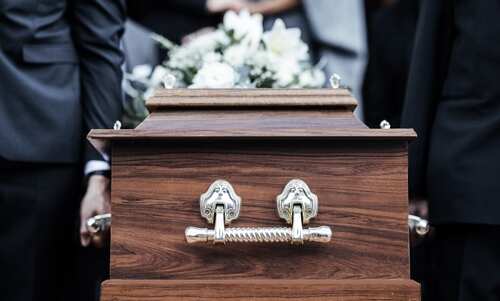
(DailyChive.com) – The tragic death of Colombian presidential candidate Miguel Uribe Turbay sends shockwaves through a nation grappling with its tumultuous past and uncertain future.
Story Overview
- Miguel Uribe Turbay, a Colombian senator and presidential hopeful, died after being shot at a rally in Bogotá.
- The assassination attempt highlights Colombia’s enduring challenges with political violence.
- Authorities arrested multiple suspects, including a teenage gunman and an alleged mastermind.
- The attack raises questions about security and the influence of insurgent groups in Colombia’s political landscape.
Political Violence in Colombia
Colombia’s history is marred by political violence, a legacy that seems to persist despite efforts to move forward. Miguel Uribe Turbay’s assassination underscores the ongoing security challenges in the country. As a conservative senator and vocal critic of the current administration, Uribe’s death has reignited fears of political instability. This incident is not isolated but rather part of a broader pattern of violence against political figures, often linked to organized criminal networks and insurgent groups.
Uribe, who was shot during a campaign rally on June 7, 2025, in Bogotá’s Fontibón district, suffered critical injuries that ultimately led to his death on August 11. His assassination has intensified concerns over the safety of political candidates in Colombia, especially as the 2026 presidential elections approach. The attack has also raised questions about the influence of criminal and insurgent groups, with authorities investigating possible links to FARC dissidents.
Investigation and Arrests
Following the shooting, Colombian authorities swiftly arrested a teenage gunman at the scene. The investigation has since expanded, leading to the detention of several suspects, including Elder José Arteaga Hernández, alleged to be the mastermind behind the attack. The motives behind Uribe’s assassination remain unclear, but the involvement of organized crime and insurgent networks is under scrutiny. Authorities are under pressure to unravel the complex web of connections that may have facilitated this heinous act.
The investigation has also highlighted the vulnerabilities in Colombia’s political landscape, where the lines between criminal activities and political motivations often blur. The potential involvement of FARC dissidents, a group officially demobilized but with active splinter factions, points to the enduring challenges in achieving lasting peace and stability in the region.
Implications for Colombia’s Future
The death of Miguel Uribe Turbay has far-reaching implications for Colombia’s political and security environment. In the short term, there is likely to be an increased focus on security measures for political candidates and events. The government faces mounting pressure to address the root causes of political violence and ensure the safety of its citizens. The assassination could also influence the upcoming presidential elections, reshaping political alignments and strategies.
In the long term, Colombia may need to reevaluate its approach to dealing with dissident groups and criminal networks. Strengthening intelligence and early warning systems could be crucial in preventing future attacks. The incident also calls for a broader discussion on political rhetoric and its potential to incite violence. As the nation mourns the loss of a promising leader, it must also confront the realities of its political landscape and work towards a more secure and democratic future.
Copyright 2025, DailyChive.com