
(DailyChive.com) – Six Democrat-led states are defying federal law on voter transparency, and Trump’s Justice Department is finally calling their bluff in court.
Story Snapshot
- DOJ under President Trump has sued six additional blue states for refusing to hand over statewide voter registration rolls.
- Federal law requires states to maintain accurate, publicly inspectable voter lists, but these states claim privacy laws block full disclosure.
- The lawsuits expand an election integrity push that now targets at least 14 states after data requests went to at least 26.
- Democratic officials accuse DOJ of “weaponization,” exposing a deeper fight over who really controls America’s elections.
DOJ targets six blue states over hidden voter rolls
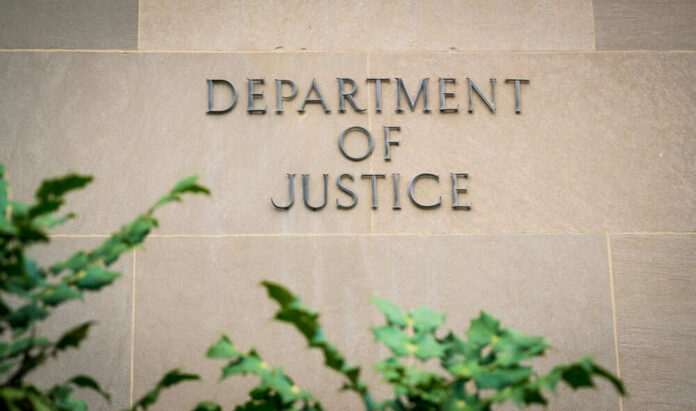
The U.S. Department of Justice’s Civil Rights Division has filed new federal lawsuits against Delaware, Maryland, New Mexico, Rhode Island, Vermont, and Washington, accusing each of violating federal election law by refusing to turn over statewide voter registration rolls. The actions, filed on December 3, 2025, expand an ongoing enforcement campaign backed by President Trump, aimed at forcing full compliance with statutes that require accurate, transparent voter lists available for public inspection. These six states are all controlled by Democratic leadership.
DOJ Sues Six More Blue States for Hiding Shady Voter Rolls From Fedshttps://t.co/IT6b2FpqMF
— PJ Media Updates (@PJMediaUpdates) December 4, 2025
Federal officials ground their case in three long-standing laws: the National Voter Registration Act of 1993, the Help America Vote Act of 2002, and the Civil Rights Act of 1960, each of which gives Washington clear authority to inspect and review voter registration records. The DOJ argues that when states refuse access, they not only break the law but also undermine public confidence in election outcomes, especially in an era where close races and razor-thin margins have become the norm across the country.
Election integrity versus “weaponization” narrative
Attorney General Pam Bondi and Civil Rights Division head Harmeet Dhillon are framing the lawsuits as a straightforward election integrity push focused on accurate voter rolls and equal value for every legal vote. In their view, too many states have fallen into a pattern of sloppy or outright noncompliant voter roll maintenance, creating openings for outdated registrations, duplicate entries, and other vulnerabilities that erode trust. For conservatives who watched chaos around the 2020 cycle, this looks like long-overdue basic housekeeping.
Democratic officials in the targeted states, however, insist the fight is really about privacy and politics, not transparency. Leaders in New Mexico and Rhode Island, among others, claim the demand for unredacted records—including addresses, driver’s license numbers, and parts or all of Social Security numbers—violates state privacy laws and could be misused by the federal government. They brand the cases as the “weaponization” of DOJ against blue states, echoing the same rhetoric many conservatives used when federal agencies previously leaned left and targeted Trump and his supporters.
What’s really at stake for voters and states
The lawsuits drop into a broader battlefield where voting rights groups and Democratic secretaries of state are already suing the Trump administration over changes to federal citizenship verification tools. Those groups warn that combining new verification systems with massive federal voter data could lead to improper purges, especially in minority communities or among infrequent voters. At the same time, Republican voices in competitive states argue that bloated, inaccurate voter rolls make it easier for bad actors to exploit the system and harder for honest citizens to trust results.
Behind the legal filings is a constitutional tug-of-war that goes straight to the heart of federalism. States traditionally administer elections, but Congress has given Washington clear oversight responsibilities to prevent fraud and protect civil rights. When blue states invoke privacy laws to wall off their voter data from even lawful federal inspection, they are effectively claiming a veto over national election oversight. For readers frustrated with years of selective enforcement, the question becomes whether those privacy arguments are genuine or a convenient shield for sloppy or intentionally permissive voter list practices.
Growing pattern of resistance and federal pushback
The December lawsuits are not a one-off strike; they build on earlier DOJ actions against at least six other states, including deep-blue jurisdictions like California, New York, and Michigan, over similar refusals to share voter registration information. In total, the Trump DOJ has requested data from at least 26 states, and now at least 14 have landed in court for dragging their feet or refusing outright. That pattern makes it hard to dismiss the conflict as a misunderstanding and instead suggests an organized resistance by Democratic-led states to federal scrutiny of how they run their elections.
Federal judges will now decide whether these states must comply, potentially ordering them to turn over unredacted lists, imposing deadlines, or issuing injunctions to enforce federal standards. If the DOJ prevails, Washington would gain a powerful precedent to demand full access to voter rolls nationwide, including personally identifiable information—something conservatives may welcome if it finally exposes irregularities, but that will require tight safeguards to prevent misuse. If states win, they will solidify their ability to shield data even from lawful federal inspection, making future election integrity efforts much harder.
Copyright 2025, DailyChive.com