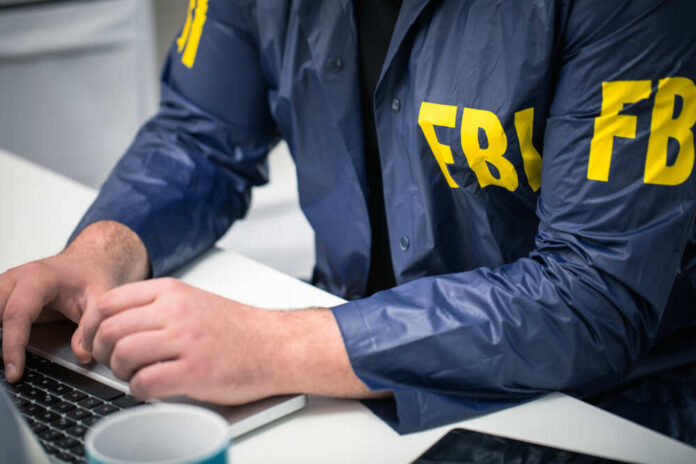
(DailyChive.com) – The FBI’s urgent warning about the notorious “Scattered Spider” cybercriminal group targeting airlines has sent shockwaves through the aviation industry as major carriers like Hawaiian Airlines, WestJet, and Qantas face sophisticated social engineering attacks that bypass traditional security measures.
Key Takeaways
- The FBI has issued a critical warning about “Scattered Spider” cybercriminals specifically targeting airlines with sophisticated social engineering attacks
- The hackers impersonate employees or contractors to trick IT help desks into granting system access, often bypassing multi-factor authentication
- Major carriers including Hawaiian Airlines, WestJet, and Qantas have already experienced breaches, with attackers stealing sensitive data for extortion
- The Sea-Tac Airport ransomware attack in June 2024 demonstrated the crippling potential of these attacks on critical aviation infrastructure
- The FBI is urging immediate reporting of incidents to prevent cascading compromises across the industry
FBI Sounds Alarm on Sophisticated Airline Hacking Campaign
As Americans prepare for summer travel, the FBI has issued an urgent warning that should concern every traveler: the notorious hacker collective “Scattered Spider” has set its sights on the airline industry. Unlike typical cyberattacks that exploit technical vulnerabilities, these sophisticated criminals are using social engineering tactics to manipulate airline employees and contractors, gaining access to critical systems by simply asking for it. The group has already successfully targeted several major airlines, stealing sensitive data and deploying ransomware that threatens to ground flights and compromise passenger information.
The hackers’ methodology is alarmingly effective. They impersonate legitimate employees or contractors to deceive IT help desks, convincing support staff to grant them system access. Even more concerning, they’ve developed techniques to bypass multi-factor authentication (MFA) by persuading help desk personnel to add unauthorized MFA devices to compromised accounts. This human-centered approach allows them to sidestep even the most robust technical security measures that airlines have implemented.
Major Airlines Already Under Attack
Hawaiian Airlines has already confirmed a significant cybersecurity event affecting multiple IT systems, though they’ve maintained that flight operations continued without disruption. This appears to be just the tip of the iceberg. WestJet reported a June 2025 incident involving internal systems and mobile app restrictions, while Australian carrier Qantas suffered a breach through a third-party customer service platform. The pattern suggests Scattered Spider is executing a coordinated global campaign against the aviation sector.
What makes these attacks particularly dangerous is their cascading effect throughout the airline ecosystem. The cybercriminals aren’t just targeting the airlines themselves but also their third-party IT providers and contractors. This strategy creates multiple entry points and significantly expands the potential damage. Once inside, the hackers steal sensitive data for extortion purposes and frequently deploy ransomware, holding critical systems hostage until demands are met.
The Sea-Tac Ransomware Attack: A Warning Sign
The recent ransomware attack at Seattle-Tacoma International Airport provides a sobering example of how devastating these cyberattacks can be to aviation infrastructure. In June 2024, the Rhysida hacker group successfully deployed ransomware that crippled baggage systems, check-in kiosks, and passenger information displays. The attack created chaos for travelers and required extensive manual workarounds by airport staff, demonstrating the real-world consequences of these digital threats.
“The aviation sector remains a high-value target for cybercriminals due to the wealth of sensitive data they hold and the critical nature of their operations,” said a senior FBI cybersecurity official. “We’re seeing increasingly sophisticated attacks that exploit human vulnerabilities rather than technical ones.”
Unlike the Sea-Tac attack, which exploited legacy system vulnerabilities, Scattered Spider’s approach relies on manipulating people rather than technology. This makes their attacks particularly difficult to defend against, as even the most sophisticated security systems can be circumvented by convincing a single employee to grant access. The FBI is emphasizing that employee training and verification protocols are just as important as technical safeguards.
Government Response and Industry Concerns
The FBI is actively collaborating with aviation partners to address these threats, urging organizations to report incidents immediately to facilitate rapid intelligence sharing and containment efforts. Early reporting is crucial to prevent the domino effect of compromises across the industry. However, many conservative critics question whether the Biden administration is doing enough to protect critical infrastructure from foreign threats, particularly as evidence suggests some of these attacks may be state-sponsored or tolerated by hostile nations.
The airline industry’s extensive repositories of customer data make it a prime target for extortion-driven attacks. Each passenger record contains valuable personal information, from credit card details to passport numbers, creating a treasure trove for cybercriminals. The potential for these attacks to disrupt travel plans for millions of Americans while compromising their personal data represents a significant national security concern that many argue deserves more attention from federal authorities.
Protecting Yourself While Traveling
As these attacks continue to target airlines, security experts recommend several precautions for travelers. Avoid using public Wi-Fi networks at airports without a VPN, regularly monitor credit card statements for unauthorized charges after booking flights, and consider using virtual credit card numbers for online bookings. Additionally, be wary of any unexpected communications claiming to be from airlines, especially those requesting personal information or account verification.
The FBI’s warning about Scattered Spider represents a significant escalation in the cyber threats facing American travelers. As the government struggles to contain these sophisticated attacks, the burden increasingly falls on individual airlines and travelers themselves to remain vigilant. With summer travel season approaching and millions of Americans planning vacations, the timing of these attacks appears deliberately calculated to cause maximum disruption to an already stressed aviation system.
Copyright 2025, DailyChive.com