

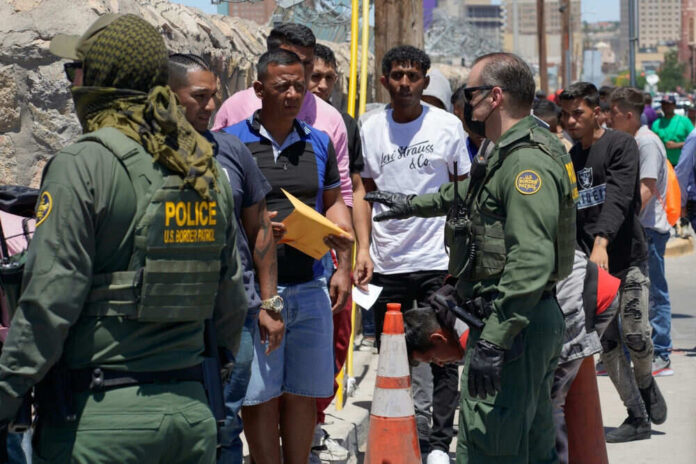
(DailyChive.com) – A federal judge’s unprecedented move to oversee Border Patrol operations in Chicago raises questions about the balance of power in immigration enforcement.
Story Snapshot
- An Obama-appointed judge takes steps to oversee Border Patrol in Chicago.
- Judicial intervention responds to Trump-era immigration tactics.
- The move highlights tension between federal and judicial powers.
- The action is described as unprecedented, setting a potential new precedent.
Judicial Oversight of Border Patrol in Chicago
A federal judge appointed during the Obama administration has taken a rare step to oversee and potentially direct Border Patrol operations in Chicago. This intervention is framed as a response to the aggressive immigration enforcement tactics employed during the Trump administration. The judge’s actions point to a significant power struggle between the judiciary and the executive branch, especially in a city known for its sanctuary status and resistance to federal immigration policies.
The judge’s decision to intervene comes after a period of heightened immigration enforcement under the Trump administration. Chicago, with its large immigrant population and sanctuary city policies, became a focal point for federal immigration raids and detentions. Legal challenges and increased judicial scrutiny have followed, highlighting concerns over civil liberties and due process. The judge’s oversight is seen as a direct response to these concerns, aiming to ensure lawful and constitutional enforcement of immigration laws.
Background and Historical Context
Federal judges have occasionally stepped in to address civil liberties and due process concerns in immigration enforcement. Chicago’s history of legal and political resistance to aggressive federal tactics makes this development particularly noteworthy. The Trump administration’s policies prompted legal challenges, with the judiciary often acting as a check on perceived overreach. This latest judicial intervention, while rare, aligns with the broader theme of courts playing a crucial role in balancing executive power in immigration matters.
The tension between federal and local authorities over immigration policy is not new. Chicago’s local government and advocacy groups have long prioritized immigrant protections, often clashing with federal directives. The judge’s decision to oversee Border Patrol operations highlights these ongoing conflicts and underscores the judiciary’s critical role in safeguarding civil liberties against executive overreach.
Impact and Implications
The judge’s intervention could have significant short-term and long-term implications for immigration enforcement in Chicago and beyond. In the short term, increased judicial scrutiny may slow down or alter Border Patrol operations in the city. This could lead to a reduction in immigration raids and detentions, impacting both federal law enforcement agencies and immigrant communities. In the long term, this move could set a precedent for further judicial involvement in federal law enforcement, particularly in sanctuary cities.
The political and social implications are also considerable. The intervention may heighten tensions between federal and local authorities, with potential legal challenges and appeals on the horizon. The move could influence immigration enforcement practices in other sanctuary cities and prompt further judicial oversight of federal agencies. The balance of power between the judiciary and the executive branch in immigration matters remains a critical issue, with this case serving as a potential turning point in how such conflicts are addressed.
Expert Perspectives and Analysis
Legal scholars and immigration experts hold diverse views on the judge’s actions. Some see the intervention as a necessary check on potential abuses of power, while others view it as an overreach that undermines federal authority. The rarity of such judicial involvement is likely to be a focal point in legal commentary, with debates centered on the limits of judicial oversight in executive enforcement actions.
Supporters of judicial oversight argue that it is essential for protecting civil liberties and ensuring accountability in law enforcement. Critics, however, contend that it may disrupt federal operations and blur the lines of separation between branches of government. The broader implications for immigration policy and enforcement will depend on how this case unfolds and whether it sets a precedent for future judicial interventions.
Copyright 2025, DailyChive.com