

(DailyChive.com) – After decades of dominating headlines and steering Africa’s most populous nation through coups, campaigns, and controversy, Muhammadu Buhari’s final chapter closed in a London hospital, leaving Nigeria, and the world, to debate the meaning of his legacy and the lessons it holds for leadership everywhere.
At a Glance
- Muhammadu Buhari, twice Nigeria’s head of state, died at 82 in London after a lengthy illness.
- Buhari’s rule, military and civilian, was marked by anti-corruption crusades, economic struggles, and deep political division.
- His presidency saw persistent health crises, reliance on foreign hospitals, and mounting criticism over security, nepotism, and slow reforms.
- The legacy he leaves behind is polarizing: integrity to some, authoritarianism and inefficiency to others.
Buhari’s Final Exit: The End of a Polarizing Era
Muhammadu Buhari, a name that once struck fear, hope, or resignation, depending on who you asked, died July 13, 2025, at age 82, in a London clinic. For over four decades, Buhari cast a long shadow over Nigeria, embodying both the promise and peril of military discipline fused with civilian ambition. His end, away from the nation he vowed to transform, highlights the uncomfortable irony: Nigeria’s former leader, like so many of its political elite, sought care abroad, a stinging reminder of the country’s chronically underfunded healthcare system he never quite managed to fix.
Born in 1942 in Katsina State, Buhari rose from soldier to major general, seizing power in the 1983 coup that toppled President Shehu Shagari’s civilian government. His military regime was infamous for its “War Against Indiscipline”, a campaign so draconian it made standing in line feel like a matter of national security. Mass detentions, stifled dissent, and a crackdown on corruption defined his brief, iron-fisted rule until he, too, was ousted in 1985. Yet, as history often does, it gave Buhari a second act: reformer, presidential candidate, and, at long last, democratically elected president in 2015.
The Man, the Myth, the Mixed Legacy
Buhari’s civilian presidency, much like his military tenure, was a study in contradictions. He promised to root out corruption, defeat Boko Haram, and restore Nigeria’s standing. To his loyalists, especially in the Muslim north, he was a beacon of honesty and modesty, a rare leader who eschewed the flamboyance that so often accompanies power. Yet critics, and there were many, pointed to a record marred by inertia, nepotism, and a stubborn unwillingness to adapt.
Under Buhari, Nigeria endured its worst economic downturn in decades, with unemployment and inflation crushing the hopes of a restless youth population. Security deteriorated, kidnappings and insurgency surged, and the country’s oil-dependent economy faltered. His anti-corruption drive, while headline-grabbing, was accused of being selective, targeting opponents while allies escaped scrutiny. And as if to add insult to injury, his repeated medical absences abroad became a running joke, a president who seemed more at home in London’s hospitals than Abuja’s State House.
National Mourning and the Road Ahead
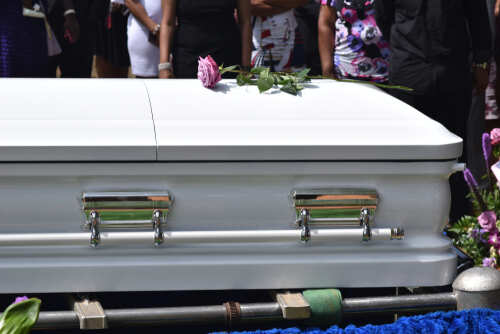
Buhari’s death triggered official mourning, with President Bola Tinubu lauding his “enduring and significant” contributions and dispatching Vice President Kashim Shettima to oversee the return of his body for Muslim funeral rites. State governors issued statements, the All Progressives Congress (APC) braced for renewed infighting over his contested legacy, and the nation paused to consider what, if anything, had truly changed. For every northern supporter who mourned the loss of an incorruptible icon, there was a critic quick to remind the world of Buhari’s failings, his authoritarian streak, his blind spots on nepotism, and his inability to deliver on promises of unity and reform.
International reaction was measured, with African leaders and Western governments offering tributes while quietly recalling the many controversies that dogged Buhari’s career. Nobel laureate Wole Soyinka once described him as a “devil”, hardly the kind of epitaph that unites a country in grief. Yet, in Nigeria, memory is complex. Each region, each ethnic group, each family weighs Buhari’s legacy on its own scale of suffering and hope.
A Legacy That Defies Easy Answers
As Buhari’s body returns home for burial, Nigeria faces a familiar crossroads: mourn the man, debate the myth, and wrestle with the hard truths of governance. The APC must now navigate leadership battles without its northern kingmaker. The military and security forces, shaped by his policies, confront a future with no easy scapegoat for persistent insecurity. Ordinary Nigerians, hose who waited in line, who braved inflation, who watched as their president sought medical care abroad, are left to wonder if the promise of change was ever more than a slogan.
Buhari’s life and death do not offer easy lessons. Integrity and discipline, yes, but also the dangers of inflexibility, the high price of unkept promises, and the enduring temptation of power. For Nigeria, and for anyone watching from afar, the story of Muhammadu Buhari is less a tale of triumph or tragedy than a warning: that true reform requires more than good intentions and that real leadership is measured not by slogans but by the lives changed, and too often, the opportunities missed.
Copyright 2025, DailyChive.com