
(DailyChive.com) – A Pentagon probe now points to a U.S. missile strike that reportedly hit an Iranian girls’ elementary school—exactly the kind of tragic mistake that Iran can weaponize for propaganda while Americans demand accountability.
Story Snapshot
- U.S. officials have launched a formal investigation into a Feb. 28 strike in Minab, southern Iran, after preliminary assessments indicated likely U.S. responsibility.
- Reports say at least 150–165 civilians were killed, many described as girls under age 12; the exact death toll remains disputed and not independently verified.
- Iranian state media released images and video claiming Tomahawk missile components were found at the site; U.S. officials say the strike was not intentional.
- The incident unfolded amid a wider U.S.-Israeli campaign against Iran, drawing UN and UNESCO calls for investigation and raising questions about targeting processes.
Pentagon Launches Formal Probe After Preliminary U.S. Fault Finding
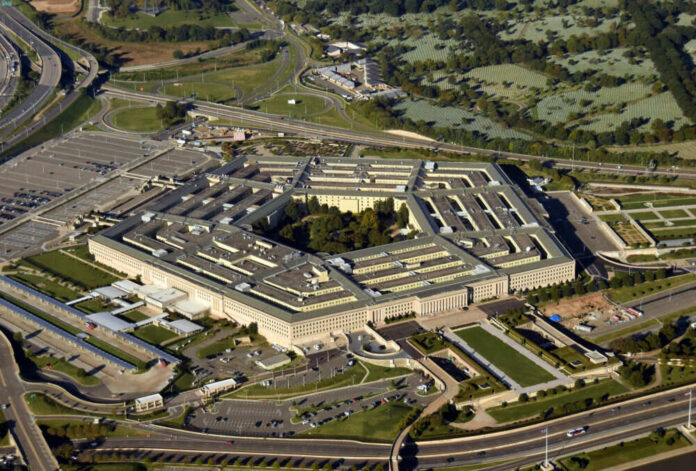
U.S. officials say a formal Pentagon investigation is underway into a Feb. 28 strike that hit a girls’ school in Minab, a city in southern Iran, after preliminary assessments indicated U.S. responsibility. Public statements from Defense Secretary Pete Hegseth emphasize that U.S. forces do not target civilians, while acknowledging investigators are working through what happened and why. Reuters-cited reporting indicates the review could take months and include interviews and additional evidence.
Reporting describes the strike as occurring during ongoing U.S. operations in southern Iran, where U.S. forces have focused on naval and missile-related assets while Israel has emphasized targets in western Iran. Iranian officials and state media have framed the Minab incident as deliberate, while U.S. officials and the White House have described it as accidental and have pushed back on claims that civilians were targeted. The core factual point remains that the investigation is not final.
What’s Known, What’s Claimed, and What Remains Unverified
Multiple reports converge on a broad outline: a school was struck; the victims were overwhelmingly civilians; and the death toll is described as at least 150 and as high as 165. Iranian sources have aired funeral coverage and imagery of small coffins, and Iran’s UN representative in Geneva cited roughly 150 student deaths. Western outlets note those figures cannot be independently confirmed, which matters because numbers and imagery will shape global narratives long before investigators publish conclusions.
Iranian state media has also circulated photos and video of debris it says matches U.S. Tomahawk missile components, which aligns with reporting that Tomahawks were a possible munition involved. One report described the strike as potentially a “double tap,” a term used for a second strike after an initial impact that can hit rescuers. That allegation is significant but remains an accusation rather than an established finding, because independent verification of the sequence and intent has not been presented in the available reporting.
War Context: High-Tempo Operations and Political Pressure Collide
The Minab strike comes amid a rapidly escalating U.S.-Israeli conflict with Iran that reporting says began after President Donald Trump ordered strikes tied to perceived attack fears. Accounts also note the campaign did not have UN authorization and lacked explicit U.S. congressional approval, a point critics use to question legitimacy and oversight. The timeline includes major naval losses, heavy strikes near Tehran described as a new phase, and Trump’s public demand for Iran’s unconditional surrender.
Those facts create two competing pressures Americans can recognize at once. One pressure is the duty of a commander in chief to neutralize threats and protect U.S. forces and allies from Iranian military capabilities and terrorism-linked activity. The other pressure is that high-tempo, high-stakes operations raise the cost of errors, especially when adversaries can instantly broadcast images, shape headlines, and recruit sympathy. When civilian casualties occur, the constitutional demand for transparency and oversight grows louder.
Civilian-Protection Infrastructure and Rules of Engagement Under Scrutiny
Reporting says a Pentagon office focused on civilian protection had been scaled back, adding urgency to questions about whether safeguards were weakened just as the conflict expanded. Hegseth has also criticized “stupid rules of engagement” in the past, and critics argue that loosening constraints can increase risk to civilians even when commanders intend to avoid them. At the same time, defenders argue rules must not prevent decisive action against legitimate military threats when adversaries embed near civilian sites.
“The Tragedy Of War” – Iran’s School Bombing Probe Points At U.S. pic.twitter.com/ZdWCnom10N
— PBD Podcast (@PBDsPodcast) March 13, 2026
International bodies have seized on the strike as a test case for accountability. The UN Human Rights Office has said the onus is on attackers to investigate, and UNESCO called the incident a grave violation. For U.S. audiences, the practical issue is not surrendering national sovereignty to global institutions, but ensuring the U.S. military’s own processes are credible, transparent where possible, and disciplined enough to prevent Iran from turning a tragedy into a strategic win.
Sources:
Pentagon Probe Points to U.S. Missile Hitting Iranian School
US investigation points to likely US responsibility in Iran school strike: report
US investigators believe American forces may have struck Iran girls’ school; probe ongoing: report
US admits it was likely responsible for mass killing of Iran schoolgirls
U.S. probe finds targeting error behind deadly Iran girls’ school strike
Adam Smith: US “seems no progress” permanently changing Iran
Copyright 2026, DailyChive.com