
(DailyChive.com) – The largest ICE raid in recent history unfolds in Georgia, sparking a fiery demand from Donald Trump: foreign companies must prioritize American workers.
Story Snapshot
- Trump calls for foreign companies to hire and train American workers following a massive ICE raid.
- Nearly 500 workers detained at a Hyundai supplier facility in Georgia.
- The incident ties immigration enforcement with economic nationalism.
- Hyundai and other foreign firms face scrutiny over labor practices.
Immigration Raid Sparks National Debate
In early September 2025, a significant event unfolded in Georgia as ICE conducted a large-scale raid at a Hyundai supplier plant, leading to the detention of nearly 500 workers suspected of being undocumented immigrants. This unprecedented raid has highlighted ongoing concerns regarding the employment practices of foreign-owned companies in the United States. The scale of the operation and the number of individuals detained make it one of the most significant immigration enforcement actions in recent history.
Trump Demands All Foreign Firms 'Hire and Train American' After Hyundai ICE Raid https://t.co/FahES0PfHz
— Mediaite (@Mediaite) September 8, 2025
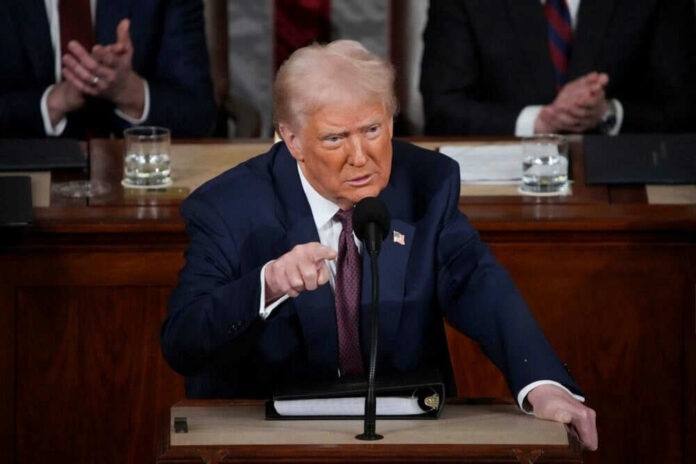
Following the raid, former President Donald Trump issued a public statement demanding that all foreign companies operating in the U.S. prioritize hiring and training American workers. Trump’s call to action ties together immigration enforcement, economic nationalism, and labor policy, reflecting his longstanding America First agenda. His statement not only targets Hyundai but extends to all foreign companies, signaling a broader policy stance with potential implications for foreign investment and labor practices in the U.S.
Historical Tensions and Current Context
The U.S. has a long history of tension over undocumented labor, particularly in manufacturing and agriculture sectors. Foreign-owned companies, especially in the automotive industry, have faced scrutiny for their labor practices. Georgia, a major hub for automotive manufacturing, has witnessed several incidents of immigration enforcement targeting large employers. Previous ICE raids, such as those in Mississippi in 2019, have similarly highlighted the complexities of balancing economic needs with immigration laws.
Trump’s America First policies during his presidency emphasized restricting immigration and prioritizing American workers, creating a political backdrop for the current situation. The political climate in 2025 is marked by heightened debate over immigration, labor, and foreign investment, making Trump’s statement even more resonant among his supporters who view it as a necessary measure to protect American jobs.
Corporate and Political Reactions
In response to the raid and Trump’s statement, Hyundai and its suppliers have issued statements pledging to review their employment protocols and ensure legal compliance. The company faces increased scrutiny over its hiring practices, reflecting a broader concern about the use of unauthorized workers by foreign firms. Meanwhile, advocacy groups are calling for protections for the detained workers and reforms to immigration and labor laws, arguing that enforcement actions like the ICE raid may drive undocumented labor further underground.
Trump Demands Foreign Firms 'Hire American' After ICE Raid https://t.co/3GsxERHcLW
— Sandra D King, MS. Ed.Tech (@sdkbusiness) September 8, 2025
ICE has defended the raid as a necessary enforcement of federal law, emphasizing the importance of compliance with immigration regulations. Trump’s demand for foreign companies to hire and train American workers has intensified scrutiny on foreign firms’ labor practices, with potential long-term implications for hiring strategies and regulatory oversight. The situation underscores the complex interplay between immigration enforcement, labor policy, and economic nationalism in the current political landscape.
Implications and Future Outlook
In the short term, the raid has disrupted operations at the affected plant, put nearly 500 workers in legal jeopardy, and escalated political tensions. The long-term implications could include changes in hiring practices, increased regulatory scrutiny, and potential shifts in foreign investment strategies. The automotive and manufacturing sectors may face increased audits and pressure to document workforce eligibility, while foreign direct investment could be affected by perceived regulatory risks.
The incident has broader economic, social, and political impacts. Economically, companies may experience temporary labor shortages, production slowdowns, and increased compliance costs. Socially, there is heightened fear and uncertainty among immigrant communities. Politically, Trump’s statement reinforces nationalist and protectionist rhetoric, potentially leading to legislative action on labor and immigration. The unfolding situation continues to attract attention from stakeholders across the spectrum, with debates over immigration and labor policy likely to remain at the forefront of the national conversation.
Copyright 2025, DailyChive.com