
(DailyChive.com) – Donald Trump’s controversial pardon of Honduras’s former president, Juan Orlando Hernández, casts a shadow over American counter-drug efforts, sparking accusations of hypocrisy and undermining years of international cooperation.
Story Highlights
- Trump pardons Juan Orlando Hernández, convicted of drug trafficking, raising eyebrows globally.
- Pardon undermines U.S. counter-narcotics efforts in Central America, critics argue.
- Trump’s decision contradicts his “tough on drugs” stance, drawing criticism from policy experts.
- U.S. credibility in international drug enforcement partnerships questioned.
- Concerns about the impact on future extradition and cooperation agreements.
Pardon Sparks International Debate
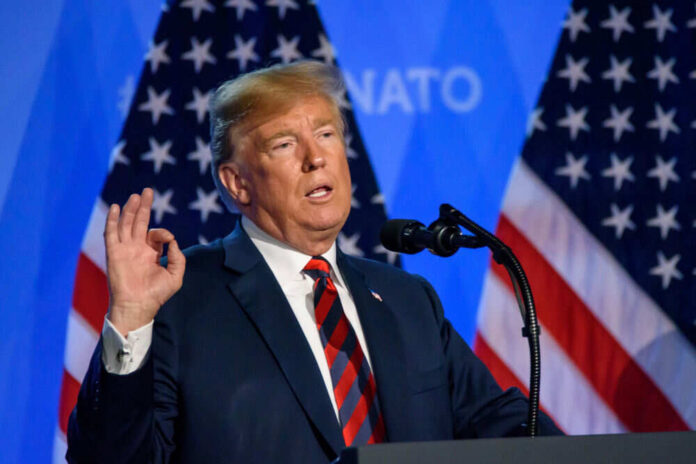
In a move that has ignited international debate, President Donald Trump pardoned Juan Orlando Hernández, the former president of Honduras, convicted in 2023 for drug trafficking charges. This decision has drawn widespread criticism, especially given the U.S.’s significant investment in counter-narcotics operations in Central America. The pardon appears at odds with Trump’s previous “tough on drugs” rhetoric, leading to accusations of policy hypocrisy.
Impact on U.S. Counter-Narcotics Efforts
Hernández’s pardon raises questions about the credibility of U.S. counter-narcotics strategies. Since 2014, Honduras has been a crucial partner in the fight against drug trafficking, receiving substantial U.S. aid aimed at curbing the drug trade. Critics argue that pardoning a convicted trafficker undermines these efforts and may weaken future collaboration with Central American nations. The decision could also embolden other traffickers, questioning the deterrent effect of U.S. prosecutions.
Hernández, once heralded as an ally in the war on drugs, was extradited to the U.S. in 2022 and convicted the following year. His administration was plagued by allegations of corruption and drug-related bribery, further complicating the narrative of his pardon.
Legal and Diplomatic Repercussions
Legally, the pardon nullifies a significant conviction and sets a precedent for presidential intervention in drug-related cases. Diplomatically, it strains relationships with Central American partners who might view the U.S. as unreliable in its commitment to combatting drug trafficking. This could compromise future extradition agreements and cooperation in law enforcement initiatives.
U.S. Policy and Rule of Law Concerns
The pardon has sparked a broader discussion about the use of presidential pardoning powers and their implications for the rule of law. Critics argue that such actions, seemingly based on political considerations, undermine the judicial process and the years of work by law enforcement agencies. For many, the decision reflects a selective application of justice, challenging the integrity and consistency of U.S. legal principles.
Copyright 2025, DailyChive.com