

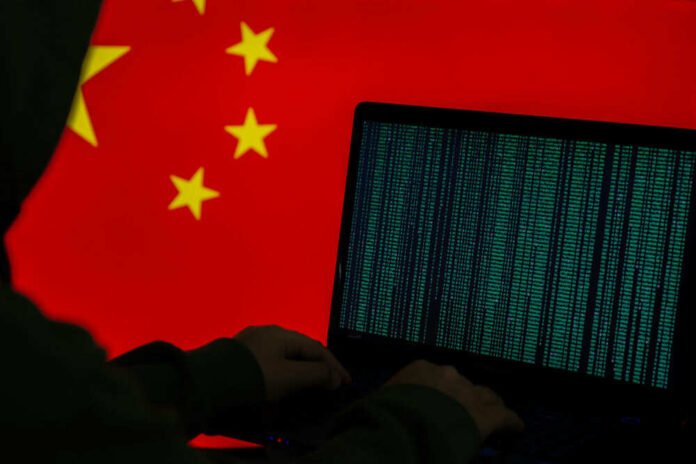
(DailyChive.com) – China’s recent cybersecurity ban on U.S. and Israeli firms highlights the escalating tech rivalry with the West, stirring concerns among American conservatives about national security and economic implications.
Story Snapshot
- China bans cybersecurity software from over a dozen U.S. and Israeli firms.
- Move seen as part of a broader push for tech independence amid U.S.-China tensions.
- Immediate stock market impact on targeted companies, reflecting economic concerns.
- Potential implications for U.S. cybersecurity market and global tech landscape.
China’s Cybersecurity Ban Affects U.S. and Israeli Firms
In a move that has sent ripples through the tech industry, Chinese authorities have ordered domestic companies to halt the use of cybersecurity software from over a dozen U.S. and Israeli firms. The directive, issued in early January 2026, targets major players such as VMware, Palo Alto Networks, and Check Point, citing national security concerns over data transmission risks. This development underscores China’s growing efforts to replace Western technology with domestic alternatives amid ongoing U.S.-China tech tensions.
Analysts have noted the immediate economic impact of the ban, with stocks of affected firms like Broadcom and Fortinet experiencing declines. The market reaction reflects broader concerns about the sustainability of Western companies’ presence in China, especially in sectors deemed sensitive by Beijing. This initiative aligns with China’s longstanding suspicion of foreign software potentially facilitating espionage, a concern that has previously led to bans on products from other countries.
Implications for U.S.-China Relations
The timing of this ban is particularly significant as it follows the U.S. Commerce Department’s decision to ease export restrictions on Nvidia’s H200 chips to China. Announced by President Trump in December 2025, the easing was intended to foster diplomatic goodwill and bolster trade relations. However, China’s latest action appears to be a strategic counter, reinforcing its pursuit of technological self-reliance and escalating the competitive tension between the two economic giants.
This move could potentially fragment the global cybersecurity market, pushing countries to choose between Western and Chinese technology solutions. It also raises questions about the future of international tech collaboration and data sovereignty, with implications that extend beyond the immediate geopolitical landscape.
Long-Term Market and Political Effects
In the long term, China’s cybersecurity ban may accelerate its drive for technological independence, forcing U.S. and Israeli firms to reconsider their strategies in the region. The ban not only disrupts business operations but also signals a shift towards a more divided global tech market. For American conservatives, this development serves as a reminder of the critical need to safeguard national security interests against foreign influence and to advocate for policies that promote technological innovation and independence.
As the Trump administration navigates these challenges, it will be crucial to balance economic interests with national security concerns. The diplomatic landscape remains delicate, with potential ramifications for future U.S.-China interactions and their impact on the broader international community.
Sources:
China bans dozen US and Israeli cybersecurity firms on national security concerns
China bans U.S. and Israeli cybersecurity software over security concerns
China bars use of US, Israeli cybersecurity software
China bans cybersecurity software from U.S. and Israeli firms
Copyright 2026, DailyChive.com