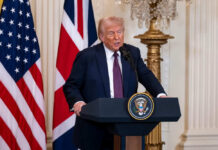

(DailyChive.com) – President Trump issued a direct order to the US Navy to “shoot and kill” Iranian boats planting mines in the Strait of Hormuz, raising the stakes in a tense standoff that could determine whether global oil flows continue or prices spike into crisis territory.
Story Snapshot
- Trump authorized Navy to fire without hesitation on Iranian vessels laying mines in the critical oil transit chokepoint
- Mine-sweeping operations tripled in intensity as the Strait remains sealed pending Iran negotiations
- US seizure of Iranian oil ship prompted Tehran’s retaliatory mining efforts threatening 20% of global oil trade
- Order echoes 1980s Tanker War tactics, positioning deterrence as alternative to broader regional conflict
Escalation Follows Oil Ship Seizure
Trump announced the shoot-on-sight directive via Truth Social on April 23, 2026, following US forces seizing an Iranian oil ship in the Indian Ocean. The President’s statement left no room for interpretation: “Shoot and kill any boat putting mines. No hesitation.” Iran responded by deploying small boats to plant mines in the 21-mile-wide chokepoint between Iran and Oman, through which roughly 20 million barrels of oil transit daily. CENTCOM released videos documenting the seizure operations while Iran vowed continued retaliation against what Tehran characterizes as an illegal US blockade.
Mine-Sweeping Operations Intensify
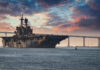
The President ordered mine-sweeping forces to operate at “tripled-up level” to clear existing ordnance from shipping lanes. Trump stated the Strait would remain sealed until Iran agrees to negotiate a deal, effectively turning the waterway into leverage for broader diplomatic objectives. The directive targets Iran’s asymmetric warfare playbook, which relies on small, fast boats to deploy mines that have historically sunk hundreds of vessels. Trump referenced Iran’s weakened naval capacity, noting 159 Iranian ships now sit “at the bottom of the sea” and mocking Tehran’s leadership confusion as the regime struggles to mount effective responses.
Historical Precedent and Strategic Calculation
The order recalls 1988’s Operation Praying Mantis, when US forces destroyed Iranian mine-laying vessels after the USS Samuel B. Roberts struck a mine during the Iran-Iraq War Tanker War. That 1980s conflict saw over 400 vessels sunk as both sides mined the Strait, demonstrating Iran’s willingness to weaponize the chokepoint. Trump’s strategy appears designed to preempt a repeat scenario by establishing clear rules of engagement that favor US naval superiority over Iran’s guerrilla tactics. Military analysts quoted in coverage suggest the approach is proportional to the asymmetric threat, providing deterrence without committing to full-scale invasion.
The broader context reveals a pressure campaign combining sanctions enforcement, naval blockades, and now lethal force authorization to compel Iran back to negotiations on nuclear activities and regional behavior. Iran’s Supreme Leader Ali Khamenei faces a dilemma: escalate further and risk catastrophic naval losses, or accept terms from a position of weakness. For Trump, the gamble hinges on Tehran’s internal divisions and economic desperation overriding hardline impulses. Critics on the left warn the order risks accidental escalation into wider war, while supporters view it as the decisive action needed when diplomacy stalls and adversaries exploit perceived hesitation.
Global Economic and Political Ripple Effects
Energy markets responded nervously to news of the standoff, as any sustained closure of the Strait threatens European and Asian oil imports that underpin industrial economies already strained by inflation. Shipping insurance rates climbed immediately as firms reassessed risks of transiting a potential combat zone. Defense contractors stand to benefit from expanded Navy operations, but the economic toll of disrupted oil flows would dwarf any sector gains if the crisis drags on. Trump’s domestic political calculus banks on projecting strength without provoking the kind of sustained conflict that could turn public opinion, particularly as both left and right voters express frustration with endless foreign entanglements that drain resources from domestic priorities.
Iran’s retaliatory posture guarantees continued friction as long as the blockade persists, creating a standoff where neither side appears willing to blink first. The question for Americans watching from home is whether this administration’s willingness to use force prevents a larger war or sets the stage for one, and whether the government officials making these calls are acting in the public’s interest or serving agendas disconnected from everyday citizens’ concerns about gas prices, economic stability, and avoiding another Middle East quagmire.
Sources:
Trump orders Navy to shoot and kill boats planting mines in Strait of Hormuz
Copyright 2026, DailyChive.com