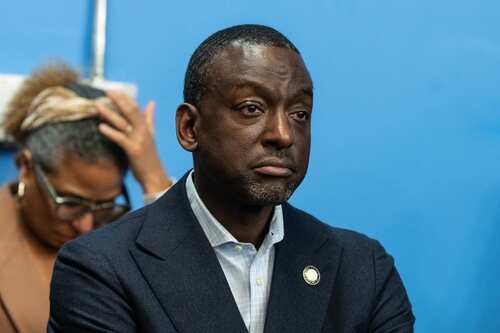
(DailyChive.com) – Yusef Salaam, a New York City Councilman and celebrated figure from the Central Park Five case, owes a staggering six-figure tax debt to the IRS even as he collects big money from speaking gigs and continues to draw a hefty taxpayer-funded salary, leaving frustrated New Yorkers to wonder: how long can our “accountability” crusaders dodge the very rules they demand for everyone else?
At a Glance
- Yusef Salaam, exonerated Central Park Five member and Harlem councilman, owes $100,000–$250,000 in unpaid federal taxes.
- Salaam’s income includes high-dollar speaking fees, a large city council salary, and payments from a civil settlement trust.
- Despite his platform advocating for justice and transparency, Salaam’s tax debt and prior controversies have drawn pointed media and public scrutiny.
- Salaam claims he is repaying the taxes, but his office refuses to comment, and the IRS is legally barred from saying a word.
A Councilman’s Massive Tax Bill and the Accountability Disconnect
Yusef Salaam spent decades building a public image as a voice for justice and reform after his exoneration in the notorious Central Park jogger case. Yet, the same man who preaches accountability from the dais of New York’s City Council now stands in the debtors’ spotlight with a federal tax bill between $100,000 and $250,000. This revelation, straight from Salaam’s own 2024 financial disclosure, has left a sour taste in the mouths of hardworking taxpayers and law-abiding citizens who are tired of watching the rules apply differently for political darlings and activists.
Salaam’s financial situation is hardly one of hardship. Since taking office, he’s pocketed up to $250,000 in speaking fees and draws a $148,500 city council salary, on top of at least $500,000 a year from his share of the $41 million civil settlement awarded to the so-called “Exonerated Five.” With that kind of income, the average New Yorker might expect their councilman to have his own house in order before lecturing others about transparency, police reform, or fiscal responsibility. But instead, Salaam’s personal financial management, like his infamous use of out-of-state license plates to dodge city rules, has become a case study in double standards.
Promises to Pay and a Deafening Silence
Salaam’s only public response to the tax revelations is a vague claim, buried in his disclosure form, that he is “in the process of repaying all taxes.” There’s been no statement from Salaam or his office, no explanation to constituents, and certainly no apology to the taxpayers footing the bill while he collects his city salary and lectures the NYPD as chair of the Public Safety Committee. The IRS, for its part, can’t comment on individual cases by law, so the public is left with unanswered questions about how long this has been going on, what caused the debt, and when or if Salaam intends to pay up.
The silence is deafening. And for those who remember the endless lectures about “accountability” and “integrity” from the city council’s most vocal reformers, the hypocrisy is hard to swallow. The voters of Harlem’s 9th district, who put their trust in Salaam, now face a familiar disappointment: another elected official who talks a big game about justice while failing to live up to the basic standards expected of any responsible adult, let alone a public servant.
Political Fallout and the Public’s Erosion of Trust
This isn’t just about unpaid taxes. It’s about the growing chasm between the rhetoric of political leaders and their real-world actions. Salaam’s role as chair of the Public Safety Committee, overseeing police oversight and reform, puts him in the national spotlight. His tax troubles, combined with past controversies, hand his critics a loaded weapon. Opponents are already questioning his credibility and fitness to lead on issues of law, order, and fiscal stewardship. The councilman’s allies may argue that his efforts to repay the debt show responsibility, but for many New Yorkers, it’s just another excuse from a political class that’s become expert at dodging consequences.
Meanwhile, the broader community feels the sting. Harlem residents deserve a representative who manages personal affairs with the same diligence demanded of city workers, police officers, and taxpayers. When leaders flout the rules, it sends a corrosive message: the system is rigged for the privileged, and the rest of us are left holding the bag. It’s a familiar story in New York politics, but one that fuels cynicism and erodes the very public trust reformers claim to champion.
Lessons in Leadership and the Need for Real Accountability
Salaam’s saga is a case study in why Americans are sick and tired of the endless lectures from the “accountability” crowd. While everyday citizens face garnishment, penalties, and even jail time for unpaid taxes, politically connected figures seem to skate by, collecting fat paychecks, lucrative speaking gigs, and public adoration, all while ignoring the rules. Salaam’s story should be a wake-up call for voters who want real accountability, not just slogans and empty promises.
The councilman’s ability to resolve his debt and restore public trust will determine whether he remains a credible advocate for reform, or just another politician cashing in on his story while the taxman waits in line. Until then, New Yorkers are left shaking their heads, wondering how much longer the city can afford to subsidize hypocrisy at the highest levels of government.
Copyright 2025, DailyChive.com