

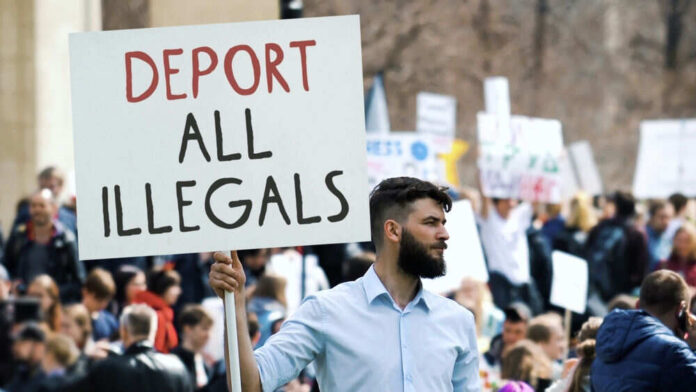
(DailyChive.com) – A new policy threatens national sovereignty as the UK Home Secretary vows drastic measures against illegal immigration.
Story Highlights
- Shabana Mahmood aims to halt small boat crossings with aggressive new policies.
- Visa suspensions are threatened for countries not accepting returned migrants.
- The UK-France Returns Agreement is now operational, enhancing border control.
- Critics question the long-term effectiveness and humanitarian implications of these measures.
UK’s Bold Stance on Irregular Migration
In a decisive move, UK Home Secretary Shabana Mahmood has declared her intention to take robust action against the rising tide of illegal immigration across the English Channel. Appointed in September 2025, Mahmood has described the influx of small boat crossings as “utterly unacceptable,” and pledged to enforce stringent measures to curb this crisis. Her approach includes a new returns agreement with France and the potential suspension of visas for countries refusing to take back their nationals.
Mahmood’s policies signal a significant shift from previous strategies, focusing on international cooperation and operational crackdowns. The UK-France Returns Agreement, effective since August 2025, is central to these efforts, aiming to streamline the process of sending migrants back to France. This partnership marks a critical step in addressing border security concerns that have long frustrated UK citizens, particularly those advocating for stricter immigration controls and national sovereignty.
Visa Suspension Threats Raise Diplomatic Stakes
In a bold statement, Mahmood warned that countries refusing to accept their citizens back could face visa suspensions. This controversial measure reflects the UK’s commitment to restoring order and sovereignty at its borders. The threat of visa restrictions is intended to compel cooperation from nations that have been reluctant to engage in repatriation efforts. This approach has sparked mixed reactions, with some viewing it as a necessary step to uphold national interests, while others criticize its potential diplomatic fallout.
Meanwhile, the UK continues to engage with its Five Eyes intelligence allies, including the US, Australia, Canada, and New Zealand, to disrupt smuggling networks facilitating these dangerous crossings. This coordinated effort underscores the importance of international intelligence-sharing in tackling organized crime and securing borders.
Impact on Migrants and Local Communities
The implications of these policies are far-reaching, impacting migrants, local communities, and international relations. For migrants, the risk of detention and removal has increased, placing them in precarious situations. Local communities, particularly those hosting asylum accommodations, face social tensions as the government reviews plans to move migrants from hotels to military barracks. These changes aim to reduce the financial burden on the UK, with asylum hotel costs previously reaching £9 million daily.
Despite these efforts, experts remain cautious. Migration analysts warn that while these deterrence measures may shift migration routes, they do not address underlying causes. Human rights advocates express concerns about the potential humanitarian impact, emphasizing the need for solutions that balance enforcement with compassion.
Copyright 2025, DailyChive.com